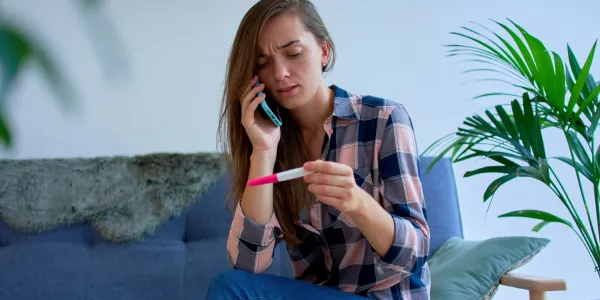
If you have just been diagnosed with polycystic ovary syndrome, one question probably sits above all others: Can I get pregnant with PCOS? The short answer is yes. PCOS is one of the most common causes of irregular ovulation, but it is also one of the most treatable causes of infertility.
PCOS affects an estimated 8–13% of women of reproductive age worldwide, and many of them go on to have healthy babies. Some conceive naturally after lifestyle changes. Others need medication to trigger ovulation, and a smaller group benefits from assisted reproduction such as IUI or IVF.
We explain how PCOS affects fertility, what you can do at home to improve your chances, and which medical treatments work best. The information is shaped by the clinical experience of Dr. Niti Agarwal, an endocrinologist at Indus Health, who treats women with hormonal and metabolic conditions every day.
What Is PCOS Problem? Understanding Polycystic Ovaries in Simple Words
Many women ask, what is PCOS problem exactly? Polycystic ovary syndrome is a hormonal and metabolic disorder. It changes how the ovaries, the brain and insulin talk to each other.
In PCOS, the ovaries often produce more androgens (male-type hormones) than usual. Many women also have insulin resistance, which pushes insulin levels higher and further raises androgens. This imbalance stops follicles from maturing properly, so an egg is not released every month.
What do PCOS ovaries look like?
On ultrasound, polycystic ovaries are often slightly enlarged and contain many small follicles lined up near the surface — sometimes described as a “string of pearls.” These are not true cysts. They are immature follicles that paused before releasing an egg.
Patients often search for terms like “cyst in ovary” or “ts of ovary” when they first see their scan report. It helps to know that PCOS ovaries are different from a single functional or dermoid cyst, which is a separate condition and is managed differently.
How is PCOS diagnosed?
Most doctors use the Rotterdam criteria. You need two of these three features, after other causes are ruled out:
- Irregular or absent ovulation (infrequent or missed periods)
- Signs of high androgens, either in blood tests or as symptoms like acne and excess hair
- Polycystic ovaries on ultrasound
This means you can have PCOS without visible cysts on a scan, and you can have polycystic-looking ovaries without having PCOS.
Is Your Body Sending Signals? Common Symptoms of PCOS in Females
PCOS looks different in every woman. Some have obvious signs from their teenage years, while others only discover it when they struggle to conceive. If you want a quick overview, read our guide on What Are the First Signs of PCOS.
The most common symptoms of PCOS problem in females include:
- Irregular periods — cycles longer than 35 days, fewer than eight periods a year, or no periods at all
- Difficulty getting pregnant because ovulation is rare or unpredictable
- Acne on the jawline, chin or back that resists regular treatment
- Excess facial or body hair (hirsutism) on the chin, upper lip, chest or abdomen
- Thinning scalp hair or hair loss in a male-pattern style
- Weight gain, especially around the waist, and difficulty losing it
- Dark, velvety skin patches (acanthosis nigricans) on the neck or underarms — a sign of insulin resistance
- Mood changes, anxiety, low mood, or poor sleep
You do not need every symptom to have PCOS. Even lean women can have it, so a normal weight should not stop you from getting checked.
Why PCOS Makes Conception Harder (But Not Impossible)
The main fertility problem in PCOS is anovulation — the ovaries do not release an egg regularly. Without ovulation, there is no egg for sperm to fertilise. Fewer periods also mean fewer chances to conceive each year.
Several other factors can play a role:
- Insulin resistance raises androgen levels and disrupts follicle growth.
- Excess weight can worsen hormonal imbalance, although weight is not the cause of PCOS.
- Unpredictable cycles make it hard to time intercourse around the fertile window.
- Egg quality and the uterine lining can be affected by long gaps between periods.
The encouraging part is that PCOS rarely damages the eggs themselves. Women with PCOS often have a good ovarian reserve, sometimes higher than average. Once ovulation is restored, pregnancy rates are generally comparable to women without PCOS.
Age still matters. Fertility naturally declines after 35, so if you are older or have been trying for a while, it is wise to seek help sooner rather than later.
7 Practical Fertility Tips That Actually Help Women With PCOS
Lifestyle changes are the first step in almost every PCOS fertility plan. They improve the response to medicines too, so they are worth starting today.
- Aim for modest weight loss if you are overweight. Losing just 5–10% of body weight can restart ovulation in many women. For a 75 kg woman, that is 4–7 kg.
- Eat for steady blood sugar. Choose whole grains, dals, vegetables, eggs, paneer and nuts. Cut back on sugary drinks, maida, and fried snacks, which spike insulin.
- Move most days. Around 150 minutes of moderate activity a week — brisk walking, cycling, yoga or strength training — improves insulin sensitivity even without weight loss.
- Track your cycle. Use a period app, ovulation predictor kits or basal body temperature charts. In PCOS, LH kits can give false positives, so share results with your doctor.
- Sleep well and manage stress. Poor sleep and chronic stress raise cortisol, which can worsen insulin resistance and hormonal imbalance.
- Start folic acid early. Take a daily folic acid supplement for at least three months before trying, as advised by your doctor.
- Avoid smoking and limit alcohol. Both lower fertility and affect pregnancy health — and your partner’s habits matter too.
If your periods remain irregular after three to six months of consistent lifestyle changes, it is time to discuss medical treatment.
From Tablets to IVF: Medical Treatment Options for PCOS Infertility
When lifestyle changes alone are not enough, doctors usually follow a step-by-step approach, starting with the simplest and least invasive option.
Ovulation induction with letrozole
Letrozole is now the first-line medicine for most women with PCOS who want to conceive. It briefly lowers oestrogen, which prompts the brain to release more FSH and helps a follicle mature. In a large clinical trial, it produced higher live birth rates than clomiphene.
Clomiphene citrate
Clomiphene has been used for decades and remains a reasonable option. It works on the brain to boost ovulation hormones. Some women do not respond, and it can thin the uterine lining in a few cases.
Metformin
Metformin improves insulin sensitivity. It is especially useful for women with insulin resistance or prediabetes and may be combined with ovulation-inducing medicines.
Gonadotropin injections
If tablets do not work, daily hormone injections can stimulate the ovaries directly. Close ultrasound monitoring is essential because PCOS ovaries can over-respond.
Laparoscopic ovarian drilling
This keyhole surgery makes tiny punctures in the ovary to reduce androgen production. It may restore ovulation for some time in women who do not respond to medicines.
IUI and IVF
Intrauterine insemination may be added to ovulation induction. IVF is considered when other treatments fail or when there are additional factors such as blocked tubes, low sperm count or advancing age.
PCOS Fertility Treatments at a Glance
| Treatment | How It Works | Best Suited For | Typical Outcome* | Key Considerations |
|---|---|---|---|---|
| Lifestyle changes | Improve insulin sensitivity and hormone balance | All women with PCOS, especially if overweight | 5–10% weight loss can restore ovulation in many women | Takes 3–6 months; supports every other treatment |
| Letrozole | Raises FSH by briefly lowering oestrogen | First-line for most women | Ovulation in roughly 60–70% of women; higher live births than clomiphene | Taken 5 days per cycle; low twin risk |
| Clomiphene citrate | Blocks oestrogen signals in the brain | Alternative first-line option | Ovulation in about 6–8 out of 10 women | Can thin lining; around 15–20% do not respond |
| Metformin | Lowers insulin levels | Insulin resistance, prediabetes | Modest benefit alone; better when combined | Stomach upset at first; take with meals |
| Gonadotropin injections | Stimulate the ovaries directly | Women not responding to tablets | High ovulation rates with careful dosing | Needs frequent scans; risk of multiples and OHSS |
| Ovarian drilling | Reduces androgen-producing tissue | Tablet-resistant PCOS | Ovulation restored in about half or more of women | Surgical; small effect on ovarian reserve |
| IVF | Eggs fertilised in the lab and embryo transferred | Failed treatments or additional fertility factors | Good success rates; PCOS patients often produce many eggs | Higher cost; OHSS prevention protocols needed |
*Figures are approximate ranges from published clinical studies and vary with age, weight, AMH levels and partner factors. Your doctor will explain what to expect in your case.
PCOS Pregnancy: Staying Healthy From Conception to Delivery
Getting a positive test is a big milestone, but care does not stop there. A PCOS pregnancy carries a slightly higher risk of some complications, so closer monitoring makes a real difference.
Possible risks include:
- Gestational diabetes, linked to underlying insulin resistance
- High blood pressure and preeclampsia
- Early pregnancy loss, particularly when blood sugar or weight is poorly controlled
- Preterm birth and a higher chance of caesarean delivery
Most of these risks can be lowered with good preparation:
- Get your blood sugar, thyroid and blood pressure checked before trying to conceive.
- Have an early glucose test during pregnancy rather than waiting for the routine one.
- Keep up gentle exercise and a balanced diet throughout.
- Attend every antenatal visit and report swelling, headaches or unusual thirst promptly.
With the right team in place, the vast majority of women with PCOS have healthy pregnancies and healthy babies.
When Should You See a PCOS Specialist?
Do not wait years hoping things will settle on their own. Book an appointment with a doctor if:
- You are under 35 and have been trying for 12 months without success
- You are 35 or older and have been trying for 6 months
- Your periods are very irregular or absent, whatever your age
- You have signs of insulin resistance, rapid weight gain or a family history of diabetes
- You have had more than one miscarriage
Because PCOS is a hormonal and metabolic condition, an endocrinologist can uncover issues that a routine check-up may miss, such as insulin resistance, thyroid imbalance or high prolactin.
Expert Hormonal Imbalance Treatment in East Delhi at Indus Health
At Indus Health, Dr. Niti Agarwal works with women at every stage — from first diagnosis to planning a pregnancy. As an experienced PCOS specialist, she focuses on the root cause rather than just the symptoms.
A typical care plan may include:
- Detailed hormone profile, blood sugar and insulin testing, and pelvic ultrasound
- Personalised diet, exercise and weight guidance
- Medicines to correct insulin resistance and regulate cycles
- Coordination with your gynaecologist or fertility team for ovulation induction
- Pre-pregnancy optimisation and follow-up during pregnancy
If you are looking for trusted Hormonal Imbalance Treatment in East Delhi, a consultation is a practical first step towards understanding your body and your options.
Frequently Asked Questions About PCOS and Fertility
1. Can women with PCOS get pregnant naturally?
Yes. Many women with PCOS conceive naturally, especially if they ovulate occasionally. Weight management, regular exercise and a low-glycaemic diet can make ovulation more frequent and improve the chances further.
2. How long does it take to get pregnant with PCOS?
It varies. Some women conceive within a few months of starting letrozole, while others need several cycles or IVF. Most pregnancies with ovulation induction happen within the first three to six ovulatory cycles.
3. Are polycystic ovaries the same as PCOS?
Not always. Polycystic ovaries describe how the ovaries look on ultrasound. PCOS is a syndrome diagnosed only when at least two of the three Rotterdam criteria are present.
4. Does PCOS go away after pregnancy?
No, PCOS does not disappear after pregnancy, though symptoms may change over time. Long-term care is still important to lower the risk of diabetes, heart disease, and endometrial problems.
5. Is miscarriage more common with PCOS?
The risk may be slightly higher, mainly due to insulin resistance and obesity. Controlling blood sugar and weight before conceiving helps reduce this risk.
6. Should I see an endocrinologist or a gynaecologist for PCOS?
Ideally both. A gynaecologist manages ovulation and pregnancy, while an endocrinologist like Dr. Niti Agarwal addresses the hormonal and metabolic root of PCOS. Working together, they give you the best outcome.
7. Can thin women have PCOS?
Yes. Lean PCOS is common. These women may still have insulin resistance or high androgens and benefit from the same evaluation.
The Bottom Line: PCOS Is a Hurdle, Not a Dead End
A PCOS diagnosis can feel overwhelming, especially when you are ready to start a family. But PCOS is highly manageable. Most women who get the right diagnosis, make steady lifestyle changes, and receive timely treatment go on to conceive.
Start with the basics: understand your cycle, nourish your body, and keep moving. If periods stay irregular or pregnancy does not happen within the expected time, reach out to an expert early.
At Indus Health, Dr. Niti Agarwal and her team offer evidence-based, compassionate care for PCOS and other hormonal conditions. Book a consultation to get a clear plan tailored to your body, your goals, and your timeline.