
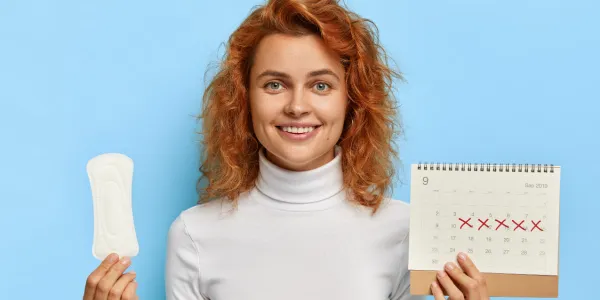
You check the calendar again. The date has come and gone, and there is still no sign of your period. Maybe you have a wedding, an exam, a holiday, or a beach trip coming up. Maybe you are simply worried. Either way, the question on your mind is probably the same: how to get periods immediately?
Here is the honest answer. No home remedy can switch your period on overnight. Your period arrives when your hormones tell your uterus to shed its lining, and that process follows its own timeline. What you can do is remove the things that are holding it back, support your body, and know when a doctor can step in safely.
At Indus Health, Dr. Niti Agarwal often meets women who have tried everything from raw papaya to large doses of vitamin C before booking a visit. In most cases, the real reason for the delay turns out to be stress, weight changes, thyroid issues, or PCOS. This guide explains what actually works, what is just a myth, and when a late period needs medical attention.
Your Period Cycle, Decoded: What “Normal” Really Looks Like
Before deciding your period is late, it helps to know what a typical period cycle looks like. A cycle is counted from the first day of one period to the first day of the next.
- Adults: a cycle of 21 to 35 days is considered normal.
- Teenagers: for a girl’s period in the first two to three years after the first period, cycles of 21 to 45 days are common because hormones are still settling.
- Bleeding: most periods last 2 to 7 days.
Your cycle has four phases. The menstrual phase is your period. In the follicular phase, oestrogen rises, and the uterine lining thickens. Ovulation follows, when an egg is released. Finally, in the luteal phase, progesterone rises. If pregnancy does not happen, progesterone drops and your period begins about 12 to 14 days later.
This is the key point. Your period depends on when you ovulate. If stress, illness, or a hormone problem delays ovulation, your period gets pushed back too. Changes in vaginal discharge can also hint at where you are in your cycle. Many women notice white discharge before period, which is usually a normal sign that bleeding is near.
Why Is My Period Late? The Most Common Reasons for Delayed Periods
A late period is a symptom, not a disease. Finding the cause is the first step to fixing it. These are the reasons for delayed periods that doctors see most often.
| Cause | How it delays your period | Common signs | What usually helps |
|---|---|---|---|
| Pregnancy | Hormones stop the uterine lining from shedding | Missed period, breast tenderness, nausea, tiredness | Home pregnancy test, then a doctor visit |
| Stress | High cortisol disturbs the hormones that trigger ovulation | Poor sleep, anxiety, headaches | Rest, relaxation, routine |
| PCOS / PCOD | Excess androgens and insulin resistance stop regular ovulation | Acne, weight gain, extra facial hair, irregular periods | Lifestyle changes and medical treatment |
| Thyroid disorders | Too much or too little thyroid hormone upsets the cycle | Fatigue, weight change, hair fall, feeling hot or cold | Blood test (TSH) and medication |
| Sudden weight loss or gain | Low body fat lowers oestrogen; excess fat raises it | Visible weight change, low energy | Gradual, balanced weight change |
| Intense exercise | Very high training load suppresses ovulation | Fatigue, frequent injury, low appetite | Lower intensity, eat enough |
| Medicines and contraceptives | Hormonal pills, injections or emergency pills shift the cycle | Recently started or stopped a medicine | Review with your doctor |
| Breastfeeding | Prolactin suppresses ovulation | Periods have not returned after delivery | Usually resolves with time |
| Perimenopause | Ovulation becomes less regular in your 40s | Hot flushes, mood changes, longer gaps | Doctor-guided care |
The most common hormonal culprit among Indian women is PCOS. If you have acne, unwanted hair growth, or weight gain along with a delayed cycle, read about the symptoms of PCOD problem in females. Many women also worry about fertility after a PCOS diagnosis; here is a clear guide on whether you can get pregnant with PCOS.
How to Get Periods Fast: 7 Safe Tips That Support Your Body
If pregnancy has been ruled out, these steps can help your body get back on track. They work by easing the things that delay ovulation, not by forcing bleeding. Results vary, and some take a cycle or two.
- Bring your stress down. Since stress is one of the biggest triggers, calming your nervous system matters. Try 10 minutes of slow breathing, yoga, a daily walk, or journalling. Even small breaks help lower cortisol.
- Use gentle heat. A warm bath or a hot water bag on your lower belly relaxes the pelvic muscles and improves blood flow. It will not start a period on its own, but it can ease cramps if your period is close.
- Move, but do not overdo it. Moderate exercise such as brisk walking, cycling, or swimming supports hormone balance. If you already train very hard, cutting back may help your period return.
- Eat enough, and eat well. Skipping meals or crash dieting tells your body that resources are low. Include whole grains, pulses, vegetables, fruit, healthy fats, and protein at each meal.
- Protect your sleep. Aim for 7 to 9 hours a night at regular times. Poor sleep disturbs melatonin and the hormones that control your cycle.
- Reach a healthy weight slowly. If PCOS or excess weight is involved, losing even 5 to 10% of body weight can restart ovulation in many women. If you are underweight, gaining weight gradually helps too.
- Talk to a doctor about medical options. This is the only reliable answer to how to get periods immediately. A gynaecologist may prescribe a short course of progesterone tablets, which usually brings on a withdrawal bleed within a few days to two weeks of finishing the course. Hormonal birth control can also be used to plan a cycle around an event. These medicines must only be taken after a doctor examines you and confirms you are not pregnant.
Many women ask about the so-called 21 days tablet for irregular periods. These are hormonal pills that can regulate your cycle, but they are not a one-size-fits-all fix. Your doctor will decide if they suit you.
Papaya, Ginger, Vitamin C: Myth or Magic?
Search online for how to get periods fast, and you will find a long list of kitchen remedies. Some are harmless, some have no proof, and a few can be risky. Here is what the evidence says.
- Papaya: A popular belief in India, but there is no good scientific evidence that eating ripe papaya brings on a period. Unripe papaya in large amounts should be avoided if there is any chance of pregnancy.
- Ginger and turmeric: Both are warming spices that may ease cramps and inflammation. Neither has been proven to start a period. A cup of ginger tea is fine; concentrated supplements are not needed.
- Vitamin C: The idea that high doses trigger bleeding is not backed by research. Very large doses can cause stomach upset and kidney stones in some people.
- Parsley, dong quai and herbal “period teas”: Evidence is weak, and some herbs can interact with medicines or be unsafe in pregnancy.
- Sex and orgasm: These may relax the body and help cramps, but they cannot shift the timing of ovulation that has already been delayed.
The pattern is clear. Foods and spices can make you feel better, but they do not override your hormones. If you want a period on a specific date, a planned medical approach is far safer than experimenting.
When It Finally Arrives: Irregular Periods, Clots and Period Pain
A delayed period is sometimes followed by a heavier, more painful one. That is because the uterine lining has had more time to build up. Here is how to tell what is normal and how to feel better.
Irregular Periods: When One Late Cycle Becomes a Pattern
Irregular periods mean your cycle length keeps changing by more than 7 to 9 days, or you go longer than 35 to 45 days between periods. An occasional late cycle is not a concern. Repeated irregularity, especially with acne, weight gain, or hair changes, is worth a check-up because it often points to PCOS, thyroid issues, or high prolactin.
Period Blood Clots: Normal or a Warning Sign?
Small period blood clots are common, especially on heavy days. They form when blood collects in the uterus faster than your body’s natural anticoagulants can thin it. Clots smaller than a one-rupee coin are usually nothing to worry about.
See a doctor if clots are larger than about 2.5 cm, appear often, or come with soaking a pad every hour, dizziness, or extreme tiredness. These can be signs of fibroids, polyps, anaemia, or a hormonal imbalance.
Periods Pain Relief That Actually Helps
Period pain, or dysmenorrhoea, is caused by prostaglandins that make the uterus contract. These options offer real period pain relief:
- A hot water bag or warm bath on the lower abdomen
- Gentle stretching, yoga poses such as child’s pose, or a light walk
- Staying hydrated and cutting back on salt and caffeine before your period
- Over-the-counter pain relievers such as ibuprofen or mefenamic acid, taken as directed on the label
- Regular exercise and good sleep across the month, not just on period days
Pain that stops you from going to school or work, or that keeps getting worse each month, is not something to just put up with. It can be a sign of endometriosis or adenomyosis.
Red Flags: When a Late Period Needs a Doctor, Not a Remedy
Home care is fine for an occasional delay. Book an appointment with a gynaecologist if you notice any of the following:
- Your period is more than 3 months late, and you are not pregnant
- Your cycles are regularly shorter than 21 days or longer than 35 days
- You have a positive pregnancy test with pain or spotting
- Bleeding lasts more than 7 days, or you soak through a pad every 1 to 2 hours
- You pass large period blood clots often
- You have severe period pain that painkillers do not control
- You have acne, excess facial hair, hair thinning or weight gain along with irregular periods
- You have not had your first period by age 15
What to Expect at Your Visit
Your doctor will ask about your cycle history, lifestyle, medicines, and sexual health. Tests may include a pregnancy test, thyroid and hormone blood tests, and a pelvic ultrasound. Treatment depends on the cause and may include lifestyle guidance, hormonal therapy, or treatment for PCOS or thyroid disease.
At Indus Health, Dr. Niti Agarwal and the team take a whole-person approach to cycle problems, looking at hormones, weight, stress, and long-term fertility goals together. If your periods have been unpredictable for a while, explore our hormonal imbalance treatment in East Delhi or book a consultation at Indus Health.
Frequently Asked Questions
1. Is there a safe way to get your period immediately at home?
No home method can start a period instantly. Reducing stress, sleeping well, eating balanced meals and using gentle heat can help your body return to its natural rhythm. For a period on a specific date, a doctor can prescribe safe hormonal medicine.
2. How many days late is normal for a period?
A delay of up to 5 to 7 days is usually not a concern. If your period is more than a week late and you are sexually active, take a pregnancy test.
3. Can stress really delay my period?
Yes. Stress raises cortisol, which can delay or even stop ovulation. Without ovulation, your period is pushed back. This is one of the most common reasons for delayed periods.
4. Is it normal for a girl’s period to be irregular in the first few years?
Yes. In the first 2 to 3 years after the first period, cycles can range from 21 to 45 days as hormones mature. If periods stay very irregular beyond this, or come with severe pain, see a doctor.
5. Are period blood clots dangerous?
Small clots on heavy days are normal. Clots larger than about 2.5 cm, or clots with very heavy bleeding and tiredness, should be checked for fibroids, anaemia, or hormonal imbalance.
6. What is the fastest period pain relief?
A hot water bag combined with an over-the-counter pain reliever taken early usually works fastest. Light movement and staying hydrated also help.
7. Can PCOS cause irregular periods?
Yes. PCOS is one of the leading causes of irregular periods because it disrupts regular ovulation. It is very manageable with lifestyle changes and medical treatment.
8. Do papaya or ginger help periods come faster?
There is no strong scientific evidence that either one triggers a period. They are safe in normal food amounts but should not replace medical advice.
The Bottom Line: Listen to Your Body, Not the Myths
If you came here searching for how to get periods immediately, the safest takeaway is this: your period follows ovulation, and ovulation follows your hormones. Rule out pregnancy, ease stress, eat and sleep well, and give your body a little time. When you need a period by a certain date, or when delays keep happening, a gynaecologist can offer safe, proven options.
Your period cycle is one of the clearest signals of your overall health. A late period now and then is normal. A pattern of irregular periods, heavy clots, or severe period pain is your body asking for attention. If that sounds familiar, Dr. Niti Agarwal and the team at Indus Health are here to help you find the cause and feel like yourself again.