
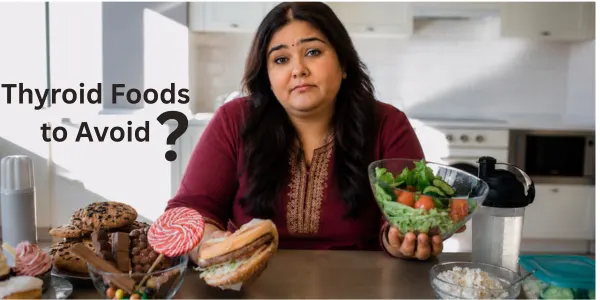
Living with a thyroid disorder can feel overwhelming, especially when almost every food choice seems to come with a warning label. Whether you are dealing with hypothyroidism, hyperthyroidism, or an autoimmune condition like Hashimoto’s thyroiditis, what you eat plays a direct role in how your gland functions and how well your medication actually works. This guide on thyroid foods to avoid is designed to help you understand which foods interfere with hormone production, block the absorption of your medicine, and slow down recovery. At Indus Health, Dr. Niti Agarwal often tells her patients that thyroid management is never just about popping a pill every morning, it is about pairing the right treatment with the right plate. In this article, we will walk through the foods you should limit, the foods you should eat instead, a simple thyroid diet chart, and when it is time to see a thyroid specialist.
Table of Contents
ToggleWhat Triggers Thyroid Problems? Causes of Thyroid Imbalance Explained
Before discussing thyroid foods to avoid, it helps to understand why the gland malfunctions in the first place. The thyroid is a small, butterfly-shaped gland in your neck that controls metabolism, energy levels, body temperature, and even mood. The most common reason for thyroid imbalance includes autoimmune disorders, iodine deficiency or excess, genetic predisposition, chronic stress, pregnancy-related hormonal shifts, and certain medications. Poor dietary habits can also act as a silent trigger, especially when goitrogenic or inflammatory foods are consumed in large quantities over a long period. Many people ignore early symptoms such as fatigue, weight changes, hair thinning, or mood swings until they become severe. If you want to understand the broader picture, it is worth reading about the early warning signs of thyroid problems so you can catch an imbalance before it escalates.
Thyroid Foods to Avoid: The Complete List
This is the core of the matter. If you are managing a thyroid condition, certain foods can quietly work against your treatment plan. Here are the most important thyroid foods to avoid:
- Raw Cruciferous Vegetables – Broccoli, cauliflower, cabbage, and kale contain goitrogens, compounds that can interfere with iodine uptake when eaten raw and in excess. Cooking them reduces this effect significantly.
- Excess Soy Products – Soy milk, tofu, and edamame contain isoflavones that may interfere with thyroid hormone synthesis, particularly in people with existing thyroid dysfunction.
- Highly Processed and Packaged Foods – These are often loaded with unhealthy fats, preservatives, and excess sodium, which can disrupt hormonal balance and contribute to inflammation.
- Sugary Foods and Beverages – Refined sugar can cause blood sugar spikes that put additional stress on the endocrine system, including the thyroid.
- Gluten-Heavy Foods – For people with Hashimoto’s thyroiditis, gluten can trigger an autoimmune response that worsens inflammation in the gland.
- Fatty and Fried Foods – Excessive fat intake can reduce the body’s ability to absorb thyroid medication and may also lower hormone production over time.
- Excessive Fiber Supplements – While fiber is healthy in moderation, too much at once, especially around medication time, can reduce drug absorption.
- Alcohol and Excess Caffeine – Both can interfere with hormone regulation and may worsen anxiety, palpitations, or sleep disturbances common in thyroid patients.
- Iodine-Rich Processed Snacks – Excess iodine from processed foods can overstimulate the thyroid, particularly in people prone to hyperthyroidism.
It is worth noting that occasional consumption in small amounts is usually not harmful for most people; the real concern is excessive, daily intake without medical guidance.
Why These Foods Disrupt Your Thyroid Function
Understanding the “why” behind this list makes it easier to follow. Goitrogenic vegetables contain compounds that compete with iodine for absorption into thyroid cells, which can reduce hormone output when eaten raw in very large quantities. Soy isoflavones can bind to enzymes involved in hormone synthesis. Processed foods and added sugars increase systemic inflammation, which is particularly harmful for autoimmune thyroid conditions. Gluten, for genetically predisposed individuals, can trigger molecular mimicry, where the immune system mistakenly attacks thyroid tissue. Fat-heavy meals slow gastric emptying, which delays and reduces the absorption of levothyroxine and similar medications. None of this means you need to eliminate these foods entirely; moderation, proper cooking methods, and timing around medication are usually enough to minimize the impact.
How to Reduce Thyroid Symptoms Through Smarter Daily Habits
Knowing how to reduce thyroid symptoms goes beyond just avoiding certain foods. A holistic approach works best:
- Take your thyroid medication on an empty stomach, ideally 30 to 60 minutes before breakfast, with plain water only.
- Space out calcium and iron supplements by at least four hours from your thyroid tablet, as these minerals can block absorption.
- Prioritize sleep, since poor rest directly affects hormone regulation.
- Manage stress through light exercise, yoga, or breathing techniques, as cortisol imbalance can worsen thyroid symptoms.
- Stay consistent with follow-up blood tests so your doctor can adjust dosage as needed.
- Cook cruciferous vegetables instead of eating them raw, which neutralizes most of the goitrogenic effect.
Small, consistent habits often matter more than dramatic, short-term diet changes.
Food for Thyroid Patients: What You Should Eat Instead
Once you know which thyroid foods to avoid, the next step is filling your plate with supportive choices. Good food for thyroid patient diets typically includes iodine-rich options like fish and dairy in moderate amounts, selenium sources such as eggs and sunflower seeds, zinc-rich foods like lean meats and legumes, antioxidant-rich fruits like berries, and cooked leafy greens. Whole grains in moderation, healthy fats from nuts and olive oil, and plenty of water also support steady metabolism. If you would like a more detailed breakdown of beneficial foods, this guide on thyroid food to eat covers ideal meal choices in depth and pairs well with the avoidance list above.
Thyroid Diet Chart: A Quick Daily Reference
A simple thyroid diet chart can make daily planning much easier. Use the table below as a quick reference for what to favor and what to limit.
| Meal Time | Foods to Favor | Foods to Avoid |
| Early Morning | Plain water, thyroid medication | Tea, coffee, milk right after tablet |
| Breakfast | Eggs, oats, fresh fruit | Soy milk, sugary cereals |
| Mid-Morning | Nuts, seeds, herbal tea | Packaged snacks |
| Lunch | Lean protein, cooked vegetables, brown rice | Fried items, excess raw cabbage |
| Evening | Roasted chana, fruit | Sugary beverages |
| Dinner | Light protein, cooked greens, soup | Heavy fatty curries, alcohol |
This thyroid diet chart is a general guideline; your exact requirements may vary based on your reports, so personalised advice from a specialist is always recommended.
Side Effects of Thyroid Tablets and How Diet Can Help Manage Them
Many patients experience mild side effects of thyroid tablets, especially during the initial weeks of treatment or after a dosage change. Common ones include headaches, mild nausea, palpitations, anxiety, irregular sleep, or changes in appetite. In most cases, these side effects of thyroid tablets settle down once your body adjusts and your dosage is correctly titrated. Diet plays a supportive role here too. Taking the tablet correctly on an empty stomach, avoiding fatty meals right after dosing, and not combining it with calcium, iron, or antacids can prevent unnecessary fluctuations in hormone levels. If side effects persist beyond a few weeks or feel severe, it is important not to self-adjust the dose and instead consult your doctor promptly.
When Should You Consult a Thyroid Specialist?
While diet and lifestyle changes help significantly, they are not a replacement for medical supervision. You should see a thyroid specialist if you notice persistent fatigue, unexplained weight changes, hair fall, irregular periods, mood swings, or a visible swelling in the neck. Regular thyroid function tests are also essential even if you feel fine, since hormone levels can shift gradually. If you are based in Delhi and looking for expert guidance, you can consult a qualified thyroid specialist who can evaluate your reports and personalise your treatment and diet plan together.
Why Patients Trust Indus Health and Dr. Niti Agarwal for Thyroid Care
Indus Health has built a reputation for combining accurate diagnostics with practical, sustainable lifestyle guidance for thyroid patients. Dr. Niti Agarwal, a respected endocrinologist, focuses on individualised treatment plans rather than one-size-fits-all prescriptions, helping patients understand not just what medication to take, but how their daily food choices influence outcomes. Patients consistently highlight clear communication and personalised care during consultations, reviews that you can explore through Indus Health’s verified patient feedback. If you are looking for comprehensive thyroid and endocrine care, the team at Indus Health is well known for addressing thyroid concerns with both clinical precision and patient-friendly guidance.
Frequently Asked Questions
Q1: What are the main thyroid foods to avoid?
The main thyroid foods to avoid include raw cruciferous vegetables in excess, excessive soy products, highly processed snacks, sugary foods, gluten-heavy items for sensitive individuals, fried foods, and alcohol or excess caffeine.
Q2: Can I eat broccoli and cabbage if I have a thyroid condition?
Yes, in moderation and preferably cooked. Cooking significantly reduces the goitrogenic compounds that can interfere with iodine absorption.
Q3: How to reduce thyroid symptoms without relying only on medication?
Combining your prescribed medication with proper timing, balanced meals, stress management, adequate sleep, and regular exercise can meaningfully reduce thyroid symptoms over time.
Q4: What is good food for thyroid patient recovery?
Selenium-rich eggs, zinc-rich legumes, iodine-appropriate dairy or fish, fresh fruits, and cooked leafy greens are generally considered supportive food for thyroid patient diets.
Q5: Are side effects of thyroid tablets permanent?
No, most side effects of thyroid tablets are temporary and improve once your dosage is correctly adjusted. Persistent symptoms should always be reported to your doctor.
Q6: When should I visit a thyroid specialist?
You should visit a thyroid specialist if you experience ongoing fatigue, unexplained weight changes, neck swelling, hair loss, or irregular periods, or if your routine thyroid tests show abnormal results.
Final Thoughts
Managing a thyroid disorder is a long-term commitment, but it does not have to be confusing. By learning which thyroid foods to avoid, understanding the reason for thyroid imbalance, following a simple thyroid diet chart, and staying alert to the side effects of thyroid tablets, you give yourself a real advantage in feeling better day to day. Pair these habits with regular consultations with a trusted thyroid specialist, and you will be far better equipped to manage your condition confidently. For personalised guidance, the team at Indus Health and Dr. Niti Agarwal are well placed to help you build a sustainable, thyroid-friendly lifestyle.