
Thyroid disorders are among the most common health problems worldwide, affecting millions of people every year. Despite their prevalence, many individuals remain unaware that thyroid issues can be managed effectively—and in some cases, long-term stability can be achieved with the right approach.
This article is designed to give you clear, expert-backed insights on thyroid disorder, its symptoms, permanent solutions, and treatment options in 2026. The aim is to help you make informed decisions for your health and lifestyle.
Table of Contents
ToggleWhat Is a Thyroid Disorder?
A thyroid disorder occurs when the thyroid gland, a small butterfly-shaped gland located at the base of your neck, does not function properly. This gland produces hormones T3 and T4, which regulate metabolism, energy levels, and overall hormonal balance.
Thyroid dysfunction can be of two main types:
- Hypothyroidism (Underactive Thyroid): The thyroid does not produce enough hormones, leading to fatigue, weight gain, hair loss, and cold intolerance.
- Hyperthyroidism (Overactive Thyroid): The thyroid produces too much hormone, causing rapid heartbeat, anxiety, weight loss, and heat intolerance.
Other less common thyroid disorders include thyroid nodules, goiter, and autoimmune thyroid diseases such as Hashimoto’s thyroiditis and Graves’ disease.
Common Symptoms of Thyroid Disorder You Should Know
Early detection of thyroid disorders is critical. Symptoms can be subtle and easily overlooked, so paying attention to changes in your body can make a significant difference.
| Symptom | Possible Thyroid Disorder | Recommended Action |
| Fatigue or low energy | Hypothyroidism | Blood tests and hormone assessment |
| Unexplained weight gain or loss | Hypo/Hyperthyroidism | Consult an endocrinologist |
| Rapid heartbeat, anxiety | Hyperthyroidism | ECG and thyroid function tests |
| Hair thinning or brittle nails | Hypothyroidism | Nutritional assessment & medication |
| Cold intolerance | Hypothyroidism | Hormone therapy & diet adjustments |
| Heat intolerance | Hyperthyroidism | Medical evaluation and treatment |
| Swelling in neck (goiter) | Hypo/Hyperthyroidism | Ultrasound and doctor consultation |
Why Permanent Solutions Are Important for Thyroid Disorder
Temporary symptom management often fails to address the root cause of thyroid disorders. A permanent solution focuses on:
- Balancing hormone levels effectively
- Preventing long-term complications such as heart disease, metabolic disorders, and fertility issues
- Supporting mental and emotional well-being
Benefits of Permanent Management:
- Reduced dependency on medications over time
- Fewer hospital visits or lab tests
- Improved energy, metabolism, and overall quality of life
How Thyroid Disorders Are Diagnosed
Proper diagnosis is the first step toward permanent management. Doctors typically use a combination of tests to identify the type and severity of thyroid dysfunction.
Blood Tests
- TSH (Thyroid Stimulating Hormone): Most important marker to detect thyroid imbalance
- Free T3 & Free T4: To determine hormone levels
- Thyroid antibodies: To detect autoimmune thyroid disorders
Imaging
- Thyroid Ultrasound: Checks for nodules or enlargement
- Radioactive Iodine Scans: Evaluates overactive thyroid tissue in certain cases
Physical Examination
- Checking for goiter (enlarged thyroid)
- Observing changes in hair, skin, nails, and weight
Treatment Options for Thyroid Disorder (Evidence-Based)
The treatment plan depends on the type of thyroid disorder, age, medical history, and severity of symptoms.
1. Medication
- Hypothyroidism: Hormone replacement therapy (e.g., Levothyroxine)
- Hyperthyroidism: Anti-thyroid medications to reduce hormone overproduction
2. Radioactive Iodine Therapy
- Used for overactive thyroid
- Targets and reduces the activity of the thyroid gland without invasive surgery
3. Surgery (Thyroidectomy)
- Recommended for large goiters, nodules, or certain cases of thyroid cancer
- Can provide a permanent solution if indicated
4. Lifestyle and Diet Adjustments
- Balanced diet with adequate iodine, selenium, and zinc
- Regular exercise to support metabolism
- Avoiding goitrogenic foods like soy and raw cruciferous vegetables in excess
Role of Lifestyle in Permanent Thyroid Management
Lifestyle changes play a crucial role in managing thyroid health. Scientific studies show that proper nutrition, exercise, and stress management support hormone balance.
Lifestyle Recommendations:
- Diet: Include iodine-rich foods (fish, eggs, dairy) and selenium (nuts, seeds)
- Exercise: Moderate daily activity boosts metabolism
- Stress Management: Yoga, meditation, and mindfulness practices
- Avoid: Smoking, excessive caffeine, and ultra-processed foods
- Regular Monitoring: Check hormone levels as advised by your doctor
These small adjustments, combined with treatment, help maintain thyroid health over the long term.
Emotional and Mental Health Impact of Thyroid Disorder
Thyroid disorders can affect mental health due to hormonal imbalance. Anxiety, depression, and fatigue are common, and addressing these is critical for overall wellness.
Common Challenges:
- Mood swings and irritability
- Chronic fatigue impacting daily activities
- Low motivation or social withdrawal
Support Strategies:
- Counseling or psychotherapy
- Joining support groups or online communities
- Mind-body therapies to manage stress
Frequently Asked Questions
Q1. Can thyroid disorders be cured permanently?
Yes, with accurate diagnosis, consistent treatment, and lifestyle management, long-term stability is achievable.
Q2. Are thyroid medications lifelong?
Not always. Some patients may eventually reduce or stop medications under supervision, depending on their thyroid function.
Q3. Is diet alone enough to treat thyroid disorders?
Diet supports treatment but cannot replace medical therapy.
Q4. Can stress worsen thyroid disorders?
Yes, chronic stress can negatively impact hormone levels and slow recovery.
Q5. How often should thyroid levels be checked?
Initially every 3–6 months, then once stable, annually or as recommended by your doctor.
conclusion
Thyroid disorders do not have to control your life. Early diagnosis, evidence-based treatment, and lifestyle adjustments make it possible to manage symptoms effectively and achieve long-term stability.
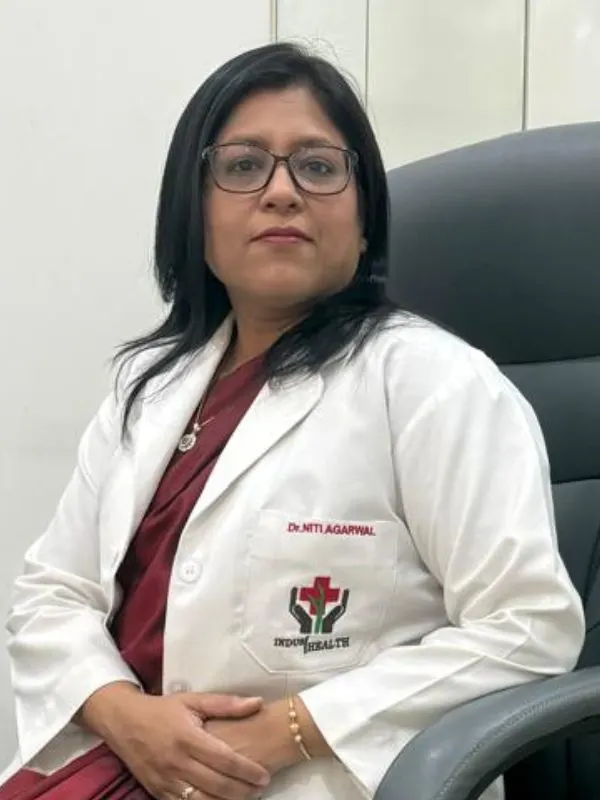
If you are looking for expert care, Dr. Niti Agarwal provides personalized thyroid management. From accurate diagnosis to tailored treatment plans and lifestyle guidance, Dr. Agarwal ensures every patient receives compassionate, professional care.
Book your consultation with Dr. Niti Agarwal today and take the first step toward a permanent solution for your thyroid disorder. Early action can significantly improve your quality of life and overall health.