
As the winter months turn into spring and days become longer, a lot of people living in Delhi NCR anticipate feeling more lively. However, a surprising amount of people feel tired, sluggish or not motivated. Although weather change, lifestyle, and routines for the season may be a part of this, a less-known medical reason could be a contributing factor to the persistent fatigue: low Testosterone levels.
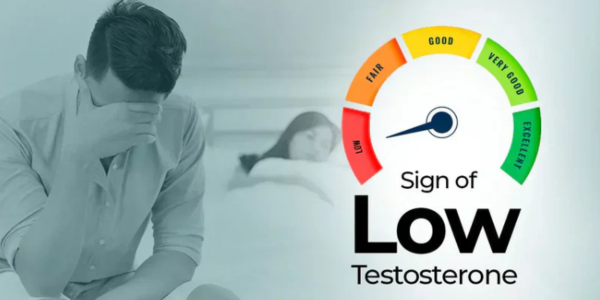
Testosterone is typically believed to be a masculine hormone, but it actually plays an important role in women’s and men’s health. When testosterone levels fall, particularly during winter and can cause several symptomsparticularly, unprovoked fatigue. In this post, we’ll discuss the causes, signs as well as the treatment for low testosterone. We’ll also discuss why this is especially relevant to people living who live in Delhi NCR, and how the expert advice of a Hormone Specialist in Delhi such as Dr. Niti Agarwal at Indus Hospital in Delhi can aid in restoring energy levels and overall health.
Knowing Testosterone is More than Simply an “Male Hormone”
Testosterone is the name of a hormone which is produced mostly in the testes of women and men, as well as in the ovaries of. In addition, the adrenal glands produce less. It’s essential for:
- Regulation of mood and energy
- Strength of muscles and metabolism
- Bone density
- Sexual function and Libido
- Reproductive health
While testosterone levels naturally fluctuate with age, a drop in levels can cause issues that impact your everyday life, including motivation and energy. This is why the importance of awareness and medical assistance.
What’s the reason you might feel tired Following the Winter
The changes in the seasons can affect the quality of sleep, mood and levels of vitamin D and physical exercise. However, chronic fatigue that doesn’t get better by rest can indicate the presence of a more severe best endocrinologist in delhi ncr. which is where pollution, stress and lifestyle disturbances are typical hormone imbalances like low testosterone are frequently neglected.
The persistent fatigue that persists after winter may be related to:
- The reduced exposure to sunlight – the lower vitamin D is a factor that affects hormone production
- Wintertime habits of the Sedentary and muscle loss, hormonal disturbance
- The body is subjected to stress due to cold.
- The underlying endocrine changes
A serious, yet often undiagnosed cause of fatigue that is often overlooked is low Testosterone (Low T).
Recognizing the Signs and symptoms of low Testosterone
Low testosterone can show up in different ways among individuals, however a number of symptoms are likely to occur repeatedly:
Primary Symptoms
- Insistent fatigue or low energy
- Low motivation
- It is difficult to concentrate (“brain fog”)
- Depression or mood swings
- The loss of muscle mass or strength
Reproductive & Sexual Health Symptoms
- Reduced the amount of libido
- Problems with erectile function or maintaining the erections
- Problems with fertility
Physical and Metabolic symptoms
- A rise in body fat
- Trouble losing weight
- Decreased bone density (osteopenia/osteoporosis)
If you’re experiencing a combination of these symptoms at once particularly fatigue that lasts even after winter It’s time to think about an evaluation of your hormones.
Low Testosterone A possible cause
There’s no single reason to be deficient in testosterone. In the majority of Delhi NCR adults, it can be the result of a combination of these factors:
1. Age-related decline
Testosterone levels gradually decline as you get older.
2. Chronic Stress
Stress can increase cortisol levels which may reduce testosterone production.
3. Vitamin D Deficiency
In winter, vitamin D deficiency impacts hormone synthesizing.
4. Poor Sleep
Sleep disturbances significantly lower testosterone production.
5. Obesity as well as Metabolic Syndrome
Fat cells can convert testosterone to estrogen, lowering levels.
6. The underlying endocrine Disorders
Thyroid disorders and diabetes imbalances can affect testosterone levels.
Accurate diagnosis: Why it is Important
Many people blame tiredness on “just ageing” as well as “work tension.” But only a medical examination will determine if hormones are the reason.
At Indus Hospital located in Delhi the doctor Dr. Niti Agarwal — one of the top Hormone Specialists in Delhi and a Reproductive Health Specialist in Delhi makes use of the most reliable protocols for hormone testing which include:
- Blood Testosterone Levels
- LH, FSH, and Prolactin
- Estradiol (in women)
- Thyroid Function Tests
- Vitamin D and Metabolic Panels
The right blood test at the correct moment of the day is essential because testosterone is at its peak in the morning and changes with cycles of the circadian. An extensive evaluation can provide personalized and effective treatment.
Testosterone levels and symptoms Testosterone Levels: Quick Reference Table
| Category of Symptoms | Common Complaints | Common Hormonal Impact |
| Energy & Mood | Chronic fatigue and low motivation, depression | Low Testosterone and high cortisol |
| Sexual Health | Infertility, low libido, problems with fertility | Testosterone deficiency |
| Physical and Metabolic | Loss of muscle mass, weight gain and a slow metabolism | Testosterone imbalance |
| Cognitive Function | Brain fog, poor concentration | Hormone-linked neurochemical effects |
| Bone and Body Composition | Fat and bone loss, weak bones | Testosterone | Bone density | |
Solutions for Treatment: Restoring Energy and Balance
When low testosterone is identified and the individual treatment plans are developed based on age, signs and general health.
1. Lifestyle Optimization
- Improvement of sleep (7-9 hours of sleep per night)
- Regular exercise and resistance training
- Healthy fats, balanced diet and micronutrients
- Sun exposure for natural Vitamin D
Lifestyle changes alone can dramatically boost testosterone levels in a variety of situations.
2. Medical Hormone Therapy
If you suffer from a deficiency that is severe or moderate treatment with hormones may be suggested. If monitored properly it can be:
- Boost energy
- Enhance mood and increase libido
- Build muscle strength
- Help maintain metabolism health
The treatment is customized, safe and monitored by experts such as Dr. Niti Agarwal.
3. Resolving the underlying health conditions
Conditions like obesity, diabetes and thyroid issues can reduce testosterone. Treatment for these issues improves general health and hormone levels.
Why should you choose a specialist for Testosterone Problems
Hormones can interact with a range of body systems. The treatment of imbalances in testosterone isn’t only prescribing medications It requires nuanced knowledge of:
Endocrinology
Reproductive Health
Lifestyle Medicine and Metabolism
Individualized Treatment Plans
This is why visiting an expert in hormones in Delhi is crucial. Specialists such as Dr. Niti Agarwal at Indus Hospital in Delhi have years of experience in reproductive and hormone health, and are able to provide accurate diagnoses in safe treatment as well as long-term care.
This holistic approach can help individuals not just combat fatigue, but also improve their overall quality of life.
Lifestyle Tips to Support Naturally Testosterone
Even prior to formal treatment it is possible to adopt habits to help support your hormonal health:
1. Increase Physical Activity
Resistance training and high-intensity exercises increase testosterone naturally.
2. Optimize Nutrition
Concentrate on:
- Lean proteins
- Healthy fats (omega-3 and rich)
- Foods that are rich in magnesium and zinc
- Vitamin D from sunlight exposure or supplementation
3. Prioritize Sleep
A healthy sleep routine (consistent time to bed, dark space with fewer screens) boosts hormone production.
4. Manage Stress
Meditation and mindful breathing, as well as exercise outdoors, and adequate rest will reduce cortisol levels and enhance the hormonal balance.
Spotlight Indus Hospital Delhi
At Indus Hospital in Delhi The focus is on an extensive hormone assessment and individualized treatment. Under the direction from Dr. Niti Agarwal — expert in the field of Hormone Therapy within Delhi as well as a Reproductive Health Specialist in Delhi Patients receive:
- Tests based on empirical evidence
- Individualized hormone therapy
- Consultations on lifestyle and support
- Monitoring and planning for long-term care
If you’re suffering from fatigue following winter or other symptoms of hormone imbalance, Hormone treatment can be transformative.
Last Thoughts: Don’t Forget persistent fatigue
The feeling of being tired after winter is normal but chronic fatigue that doesn’t diminish by rest can be a sign of a hormonal imbalance, such as low testosterone.
If you reside in Delhi NCR and you’re experiencing constant depression, fatigue and weight fluctuations, or mood swings you should seek a an expert opinion.
Dr. Niti Agarwal at Indus Hospital in Delhi is a well-known specialist who can identify the root of your fatigue. She can also assist you in achieving lasting health.