Adrenal disorders affect millions around the globe. Many people go undiagnosed because the symptoms are tricky to identify and not always obvious. These disorders involve the adrenal glands, small but important organs that make hormones controlling blood pressure, stress, and more. People dealing with unusual tiredness, weight shifts, or mood swings need to learn about adrenal disorders to start taking charge of their health. To get the right diagnosis and care, meeting a skilled hormone specialist doctor in Delhi is necessary. These conditions need specialized attention to manage them well.
Table of Contents
ToggleWhat Are Adrenal Disorders?
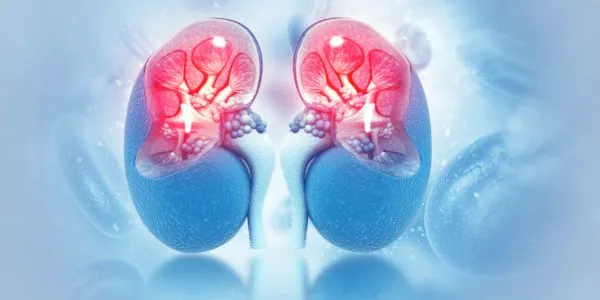
Adrenal disorders form a complicated set of health problems that affect the adrenal glands. These glands sit on top of each kidney and have a key role in making hormones that help the body handle important things like metabolism, blood pressure, stress, and immune responses. When these glands stop working right, they may release too much or too little of certain hormones, which causes different health issues.
Each adrenal gland has two key parts—the outer cortex and the inner medulla. The cortex makes hormones like cortisol, aldosterone, and androgens, while the medulla creates adrenaline and noradrenaline. Any trouble with how these hormones are produced can cause serious problems that need quick and proper treatment from trained doctors.
Patients often ask which doctor they should see to address hormonal imbalance when unexplained symptoms appear. Endocrinologists or hormone experts are the right choice. These doctors focus on identifying and treating adrenal-related problems. Knowing which specialist to visit can make it easier to get the right care and avoid further health issues.
Types of Adrenal Disorders
Overproduction of Hormones
Cushing’s Syndrome happens when the body creates too much cortisol for a long time. This can be caused by extended use of steroid medicines or by tumors that affect the adrenal or pituitary glands. People with this condition may gain weight in the stomach and upper back, develop purple stretch marks, or experience shifts in mood.
Primary Hyperaldosteronism happens when the body makes too much aldosterone. This can cause both high blood pressure and low potassium. Studies now suggest that around 11.3% of patients without hypertension and 22% of patients with resistant hypertension have this condition. It appears to be more widespread than earlier estimates showed.
Pheochromocytoma refers to a rare type of tumor in the adrenal medulla that leads to overproduction of adrenaline and noradrenaline. It may result in sudden spikes in blood pressure, fast heart rate, and pounding headaches.
Disorders of Insufficient Hormone Production
Addison’s Disease occurs when the adrenal glands fail to produce enough cortisol and aldosterone. This condition, caused by autoimmunity, affects about 1 in 100,000 individuals. If untreated, it can become life-threatening.
Congenital Adrenal Hyperplasia (CAH) is a genetic condition that limits cortisol production. Studies conducted in Bangalore hospitals show that 76% of those with CAH are females. Among these females, 20% receive their diagnosis in late adolescence. Detecting this condition is crucial to ensure timely treatment.
Common Symptoms and Warning Signs
Symptoms of adrenal disorders are often mild and can seem like symptoms of other illnesses. This sometimes makes it hard to diagnose. That said certain symptoms should lead to quick medical attention.
Early Warning Signs cover feeling tired all the time even after resting, weight going up or down for no clear reason, muscles feeling weak, and changes in mood like feeling down or anxious. Many people also notice their blood pressure acting weird, either too high or too low, and regular medications don’t fix it.
Advanced Symptoms can include bad stomach pain, throwing up, being very thirsty or unable to stay hydrated, and feeling confused. If it turns into an adrenal crisis, things can get dangerous and need urgent medical help. Research shows about 6-8% of those with adrenal insufficiency face adrenal crises each year, and even people who know a lot about their condition have about a 6% chance of not surviving it.
Skin Changes often reveal key diagnostic signs. Addison’s disease often leads to skin darkening on friction-prone spots like elbows, knees, or knuckles. In contrast, Cushing’s syndrome can result in purple stretch marks and bruises that happen .
Data Table: Adrenal Disorders Overview
| Disorder | Primary Cause | Key Symptoms | Prevalence | Treatment Approach |
| Cushing’s Syndrome | Excess cortisol | Weight gain, mood changes, skin changes | Varies by cause | Surgery, medication, hormone control |
| Addison’s Disease | Insufficient cortisol/aldosterone | Fatigue, weight loss, skin darkening | 1 in 100,000 | Hormone replacement therapy |
| Pheochromocytoma | Excess adrenaline | High blood pressure, rapid heartbeat | Rare | Surgical removal |
| Primary Hyperaldosteronism | Excess aldosterone | High blood pressure, low potassium | 11.3% normotensive patients | Medication, surgery |
| CAH | Genetic cortisol deficiency | Variable based on type | 1 in 10,000-18,000 births | Hormone replacement |
Which Doctor to Consult for Hormonal Imbalance: Expert Guidance
Finding the right doctor matters a lot when dealing with signs pointing to adrenal problems. Endocrinologists focus on hormone-linked conditions and have the skills to figure out adrenal disorders using specific tests and imaging. If you’re unsure which doctor to consult for hormonal imbalance, visiting an experienced endocrinologist is the right step toward proper diagnosis and treatment.
In Delhi, a skilled Reproductive Health Doctor in Delhi can handle adrenal problems linked to fertility or menstrual issues. Women with irregular periods or hormone-caused fertility struggles should reach out to them. If adrenal problems interfere with reproductive health, these doctors understand how adrenal hormones connect to reproductive issues and can provide the right care.
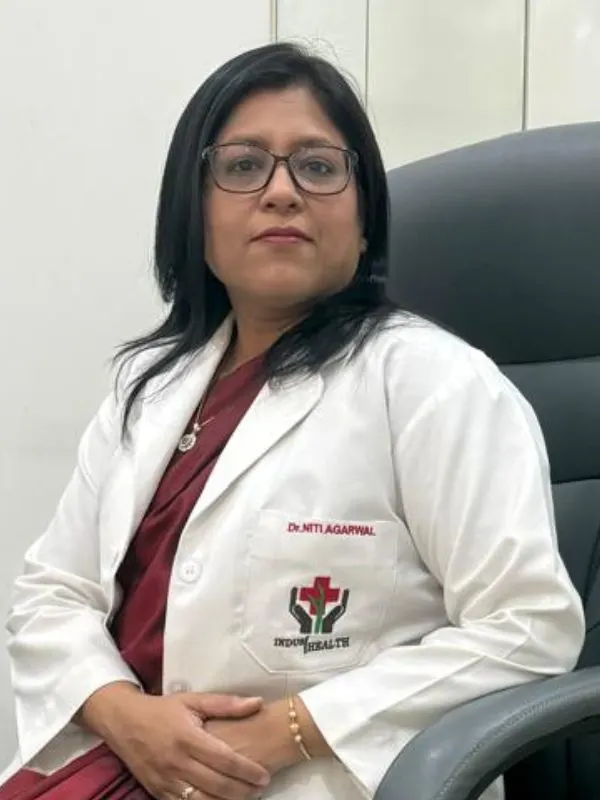
Dr. Niti Agarwal at Indus Hospital in Delhi offers the kind of care needed when people face tough hormonal issues. Her knowledge of endocrinology and managing hormones gives patients a way to use advanced tests and get treatments that match their specific needs.
Case Study
About the Patient: A 34-year-old software engineer from Gurgaon came in with ongoing tiredness, sudden weight loss, and fainting spells that had been happening for six months.
Early Struggles: The patient visited several general doctors at first. They linked the symptoms to work-related stress and habits. Although their blood pressure was always low, nobody noticed how serious it was at the start.
Specialist Consultation: Dr. Niti Agarwal, a hormone specialist based in Delhi, reviewed the patient’s case. Hormonal tests showed very low cortisol levels and high ACTH pointing to primary adrenal insufficiency.
Treatment Outcome: Doctors diagnosed the patient with Addison’s disease and started hormone replacement therapy using hydrocortisone and fludrocortisone. In three months, the patient regained energy, had stable blood pressure, and could resume normal daily life.
Key Learning: This case shows why it is crucial to see hormone specialists when persistent and unexplained symptoms do not improve with regular treatments.
Frequently Asked Questions (FAQ)
Q: What are the early signs that should make me see a hormone specialist?
A: Ongoing tiredness, sudden changes in weight, unusual moods, odd blood pressure levels, or noticeable skin issues mean it’s time to see a hormone doctor. If these issues don’t improve with regular treatment, getting a specialist to check further is a good idea.
Q: How do doctors find out if someone has adrenal disorders?
A: They use blood and urine tests to check hormone levels and may also do imaging like CT or MRI. Tests such as the dexamethasone suppression test help too. Newer methods like analyzing steroids in-depth are becoming useful for diagnosing as well.
Q: Can adrenal disorders be cured?
A: The chances of a cure depend on the specific condition. Doctors can cure some issues like certain adrenal tumors through surgery. Other conditions like Addison’s disease need lifelong hormone therapy, but proper care can help manage them well.
Q: Do adrenal disorders run in families?
A: Some adrenal problems, like congenital adrenal hyperplasia, come from genetic causes. Many others, though, happen due to factors like autoimmune issues, tumors, or side effects of medicines, not because of hereditary reasons.
Q: What happens if adrenal disorders go untreated?
A: Leaving adrenal disorders untreated can cause serious health risks. Patients may face adrenal crisis, which carries a mortality rate of 0.5 per 100 patient years. Detecting and treating these disorders are key steps to avoid life-threatening issues.
Consulting Experts
People in Delhi NCR who notice signs of adrenal disorders can get checked by experienced specialists like Dr. Niti Agarwal at Indus Hospital. This allows them to receive advanced diagnosis and personalized care. Acting helps to avoid complications and makes a huge difference in improving life for those dealing with adrenal disorders.
Adrenal disorders are complex and need expert medical knowledge to diagnose and treat . Do not ignore unexplained symptoms. Talk to skilled hormone doctors who can give the complete care these conditions need.