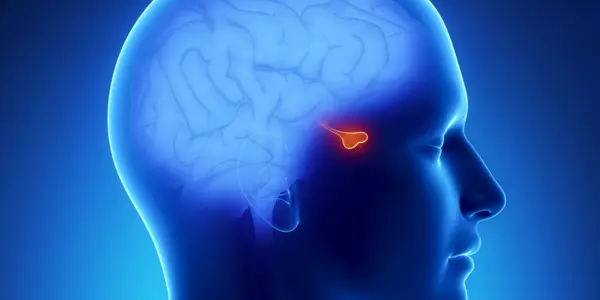
The pituitary gland known as the “master gland,” plays a key role in managing many important body functions. When this tiny yet mighty gland stops working , it can cause serious health problems that harm daily life. To detect and treat these issues , it is important to know about pituitary gland problems and consult a trained Reproductive Health Doctor in Delhi.
Sitting at the brain’s base, the pituitary gland makes hormones that control things like growth, metabolism, reproduction, and stress. Millions of people around the world face problems with this gland. Treating these conditions needs the help of skilled medical professionals who understand how hormonal systems work together.
Table of Contents
ToggleUnderstanding Pituitary Gland Disorders: A Medical Overview
Pituitary gland problems include many conditions divided into two types: too much hormone production or too little. These issues often appear over time, which makes it hard to detect them without skilled doctors.
Too Much Hormone Production covers problems like acromegaly. In this condition too much growth hormone causes bigger facial features and joint troubles. Another example is Cushing’s syndrome. This happens when there is an overproduction of ACTH leading to weight gain, high blood pressure, and mood swings. Specialists with deep knowledge about hormones need to handle these problems as soon as possible.
Hormone Underproduction Disorders like hypopituitarism happen when the pituitary gland does not make enough of one or more hormones. This shortage can cause tiredness, problems with sexual health, and trouble having children. Another key problem, diabetes insipidus, disrupts the body’s ability to control water levels causing constant thirst and frequent urination.
These disorders often share symptoms with other health problems, so getting the right diagnosis is very important. People might have headaches, changes in vision, unexplained weight gain or loss, unusual menstrual cycles, or difficulties with fertility. A tumor in the pituitary gland can bring on a range of issues that affect living, like facial pain or nausea caused by extra pressure.
Impact on Reproductive Health and Hormonal Balance
Women in Delhi NCR who need specialized reproductive care often face significant challenges linked to pituitary disorders. Since the pituitary gland controls reproductive hormones, its dysfunction can affect fertility, menstrual health, and overall wellness.
A woman dealing with irregular periods, difficulties getting pregnant, or hormonal issues should see a PCOS treatment Doctor in East Delhi to get proper treatment. These doctors specialize in handling hormonal issues caused by pituitary problems. They know how pituitary disorders can resemble or make PCOS symptoms worse so careful diagnosis is crucial to provide effective care.
Pituitary gland disorders in women show signs like irregular periods, unwanted milk production (galactorrhea), and low sex drive. These issues might lower a woman’s well-being and affect her plans to have children. Getting help from skilled experts can fix hormone levels and improve chances of better reproductive health.
Men with pituitary problems might face low testosterone, trouble with erections, or even loss of muscle strength. Seeing a good Hormone Specialist in Delhi is key to dealing with these disorders for men and women alike, no matter how the symptoms appear.
Why Seek Expert Care for Pituitary Health
Delhi has some of the best endocrinologists and reproductive health experts in India. Hormone doctors in the city perform detailed checks to find hormone problems. They use modern tools like blood tests, stimulation tests, and advanced imaging to figure things out.
Indus Health in Delhi focuses on giving complete care to treat pituitary disorders while also looking at their effects on the rest of the body. The hospital uses advanced machines and treatment methods so patients get top-quality care without needing to go overseas.
Doctors start the diagnostic process by checking hormone levels in detail, focusing on both pituitary and target gland hormones. Experts in special clinics use dynamic testing to check how hormones respond to stimulation, which plays a key role in making a correct diagnosis. Scans like MRI and CT help find tumors or structural issues allowing doctors to figure out the right treatment.
Comprehensive Advanced Treatment Options
In Delhi, treatments for pituitary gland disorders have developed a lot giving patients various ways to recover. Many cases involve hormone replacement therapy where doctors adjust levels of cortisol, thyroid, sex, and growth hormones to match what each patient needs.
To treat patients needing surgery, methods like transsphenoidal and endoscopic surgery aim to take out damaged tissue while keeping the gland working as it should. Top hospitals in Delhi perform these procedures, which lead to good results and quicker recovery periods.
Radiation treatments such as Gamma Knife surgery and external beam radiation, give options to people who may not be fit for surgery or need extra care after an operation. Decisions about pituitary tumor treatments rely on factors like tumor size, location, and hormone activity so every plan is personalized.
Patient Success Story: Journey to Recovery
Case Study: Managing Acromegaly Effectively
Priya, a 34-year-old working in marketing in Gurgaon, began noticing her face changing and had constant joint pain over a few years. At first, she thought these issues were just linked to stress. But later, she decided to get medical advice when her wedding ring became too tight to wear and her shoe size went up.
Doctors at Indus Health in Delhi performed detailed tests and found high growth hormone levels. This pointed to acromegaly, which was caused by a pituitary adenoma. A team of skilled endocrinologists crafted a treatment plan for her. They combined medication to manage hormone levels with surgery to address the problem.
After a successful transsphenoidal surgery and starting hormone therapy, Priya’s growth hormone levels returned to normal in six months. Her joint pain got much better, and she said she felt more energetic and healthier overall. Regular check-ups help keep track of her progress and maintain the right hormone levels.
This case shows why it is important to get treatment from experienced doctors who know how to handle the complicated effects of pituitary disorders on health.
Pituitary Disorders: Key Statistics and Treatment Outcomes
| Disorder Type | Prevalence | Treatment Success Rate | Average Recovery Time |
| Prolactinomas | 40-50% of pituitary tumors | 85-90% with medication | 3-6 months |
| Growth Hormone Excess | 3-4 cases per million | 70-80% surgical success | 6-12 months |
| Cushing’s Disease | 1-2 cases per million | 75-85% remission rate | 6-18 months |
| Hypopituitarism | Variable prevalence | 90-95% with hormone replacement | Ongoing management |
| Non-functioning Adenomas | 25-30% of pituitary tumors | 85-95% surgical success | 3-6 months |
Frequently Asked Questions
Q: What are the early signs of problems with the pituitary gland?
A: Symptoms like constant headaches, vision issues, unexplained tiredness, changes in menstrual cycles, or slow shifts in physical appearance might appear . To treat and diagnose pituitary disorders, it is important to visit an experienced reproductive health doctor in Delhi if these issues don’t go away.
Q: How do doctors in Delhi check for pituitary gland issues?
A: Doctors check hormone levels with detailed tests, including baseline checks and stimulation tests. MRI scans help spot structural problems. Specialists review these results to figure out the type and seriousness of the condition.
Q: Can pituitary disorders affect being able to have children?
A: Yes pituitary disorders have a big impact on reproduction. They mess with hormones that handle ovulation, menstrual periods, and the ability to have kids. Women dealing with these problems should visit a PCOS treatment specialist in East Delhi to get proper tests and care.
Q: What treatments are available in Delhi for pituitary gland?
A: There are many treatment choices in Delhi, like hormone replacement therapy surgeries that don’t require big cuts, radiation treatments, and regular health check-ups. Doctors create personalized treatment plans based on what disorder you have, your age, and how healthy you are overall.
Q: How much time does it take to recover after pituitary surgery?
A: The time it takes to recover depends on the type of surgery and the person’s health. Many people can start doing their usual activities again in about 2 to 4 weeks, but it might take 3 to 6 months for hormone levels to settle with proper check-ups.
The Importance of Seeking Expert Care
Treating pituitary gland disorders takes skilled knowledge and regular attention by experienced doctors. Delhi has some of the best endocrinologists, brain surgeons, and reproductive health experts who deal with these complex issues.
Catching pituitary gland disorders helps avoid severe health problems and leads to better results over time. People with symptoms should see a doctor since starting treatment improves both the outcome and their overall well-being.
Residents in Delhi NCR find it easier than ever to get specialized medical care. Indus Hospital and other top hospitals offer thorough diagnostic and treatment options helping patients receive excellent care without going far from home. Advanced medical tools, skilled doctors, and customized treatment plans make Delhi a strong option to manage pituitary problems.
From reproductive health issues and hormone imbalances to more serious pituitary conditions, getting help from trained experts ensures better results and effective long-term health care.