
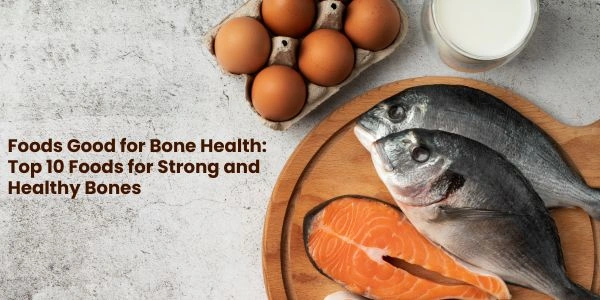
Strong bones are the foundation of a healthy, active life — yet Foods Good for Bone Health is one of the most overlooked aspects of everyday wellness. Whether you’re in your 20s building peak bone density or in your 50s trying to maintain it, what you eat every single day makes a profound difference. According to Dr. Niti Agarwal, one of East Delhi’s most trusted endocrinologists at Indus Health, a well-planned daily diet for healthy bones and joints can significantly reduce your risk of osteoporosis, fractures, and joint degeneration. In this guide, we walk you through the top 10 foods for bone health — backed by nutritional science and clinical experience.
If you have noticed early signs of weak bones such as frequent cramps, back pain, or brittle nails, your diet may need urgent attention. Let’s explore the best foods for bone health and how they work.
Table of Contents
ToggleWhy Your Diet Is the Cornerstone of Bone Health
Bones are living tissue. They constantly break down and rebuild — a process regulated by nutrients like calcium, vitamin D, magnesium, phosphorus, and vitamin K2. When your diet is deficient in these key nutrients, the body begins drawing calcium from your bones to maintain blood levels, gradually weakening them over time.
Consulting an experienced endocrinologist in East Delhi like Dr. Niti Agarwal can help identify underlying hormonal imbalances (such as low oestrogen, thyroid disorders, or parathyroid problems) that accelerate bone loss. But regardless of your hormonal status, the right food choices remain your first and most powerful defence.
Quick Reference: Top 10 Foods for Strong Bones at a Glance
| # | Food | Key Nutrients | Bone Benefit | Daily Serving Idea |
| 1 | Dairy (Milk, Yoghurt, Cheese) | Calcium, Vit D, Protein | Builds & maintains bone density | 1–2 cups milk or 1 cup yoghurt |
| 2 | Leafy Greens (Spinach, Kale, Fenugreek) | Calcium, Vit K, Magnesium | Supports bone mineralisation | 1 cup cooked greens |
| 3 | Fatty Fish (Salmon, Sardines, Mackerel) | Vit D, Omega-3, Calcium | Reduces bone inflammation | 2–3 servings/week |
| 4 | Eggs | Vit D, Protein, Phosphorus | Aids calcium absorption | 1–2 eggs daily |
| 5 | Nuts & Seeds (Almonds, Chia, Sesame) | Calcium, Magnesium, Zinc | Supports bone growth & repair | Small handful / 1 tbsp |
| 6 | Legumes (Rajma, Chana, Lentils) | Calcium, Magnesium, Protein | Builds bone matrix protein | ½ cup cooked daily |
| 7 | Fortified Foods (Cereals, Plant Milks) | Calcium, Vit D, B12 | Fills nutrient gaps | 1 serving fortified cereal |
| 8 | Tofu & Soy Products | Calcium, Isoflavones, Protein | May slow post-menopausal bone loss | ½ cup tofu 3–4×/week |
| 9 | Sweet Potato & Pumpkin | Magnesium, Vit C, Beta-carotene | Supports collagen & bone matrix | ½ cup cooked daily |
| 10 | Oranges & Citrus Fruits | Vit C, Folate, Calcium | Essential for collagen formation | 1 fruit or 1 glass juice |
Top 10 Foods Good for Bone Health — Explained in Detail
1. Dairy Products — The Classic Calcium Powerhouse
Milk, yoghurt, and paneer remain the most accessible calcium rich foods for bone health in the Indian diet. A single glass of cow’s milk provides around 300 mg of calcium — nearly 30% of the adult daily requirement. Yoghurt also delivers probiotics that improve nutrient absorption in the gut, indirectly supporting bone mineralisation. For lactose-intolerant individuals, low-lactose or fortified options are a practical substitute.
2. Leafy Green Vegetables — Nature’s Hidden Bone Builders
Spinach, kale, moringa (drumstick leaves), and fenugreek are exceptional plant-based sources of calcium and vitamin K. Vitamin K2, in particular, plays a crucial role in directing calcium into bones rather than arteries. These greens also supply magnesium, a mineral that activates vitamin D — without adequate magnesium, even good vitamin D levels may not translate into better bone density.
3. Fatty Fish — Vitamin D Delivered Directly
Salmon, sardines, and mackerel are among the few foods naturally rich in vitamin D, which is essential for calcium absorption in the intestine. Without enough vitamin D, you could consume calcium all day and still experience bone loss. Sardines also contain edible bones that provide direct calcium. Including fatty fish two to three times a week is one of the most effective dietary strategies for preventing bone weakness.
4. Eggs — Small but Mighty for Bone Support
Eggs are a convenient and affordable source of vitamin D (primarily in the yolk), protein, and phosphorus. Protein forms the structural scaffold of bone — roughly one-third of bone mass is protein matrix. Regular egg consumption supports both bone growth and repair, especially in children, elderly individuals, and post-menopausal women.
5. Nuts and Seeds — Magnesium and Zinc in Every Bite
Almonds, walnuts, chia seeds, and sesame seeds (til) are nutritional gems for bone and joint health. Sesame seeds are particularly rich in calcium — just one tablespoon provides around 88 mg. Chia seeds offer a rare plant-based combination of calcium, magnesium, and omega-3 fatty acids, all of which reduce bone-damaging inflammation and support long-term bone strength.
6. Legumes — Protein-Rich Foundation for Bone Matrix
Rajma (kidney beans), chana (chickpeas), dal, and lentils are staples in Indian cooking and outstanding foods for bone health. They deliver calcium, magnesium, iron, and plant-based protein that help maintain bone mineral density. Legumes also contain phytoestrogens that may help moderate bone loss in women around menopause. Aim for at least one serving of legumes in your daily diet.
7. Fortified Foods — Bridging the Nutritional Gap
For individuals with dietary restrictions or limited sun exposure, fortified cereals, soy milk, almond milk, and orange juice can be an important backup. These products are enriched with calcium and vitamin D — making them especially useful for those following vegetarian or vegan diets. Always check the label for actual calcium content and look for products that provide at least 15–20% of the daily value per serving.
8. Tofu and Soy Products — A Friend for Women’s Bone Health
Tofu set with calcium sulphate is a rich plant-based calcium source. Soy also contains isoflavones — plant compounds that mimic oestrogen in the body — which may help slow post-menopausal bone loss. Regular inclusion of tofu, edamame, or soy milk as part of a balanced diet can be particularly beneficial for women at risk of osteoporosis.
9. Sweet Potato and Pumpkin — Magnesium-Rich Comfort Foods
Often underappreciated, sweet potatoes and pumpkin supply magnesium, vitamin C, and beta-carotene — all critical for bone matrix formation and collagen synthesis. Vitamin C, in particular, is required for the production of collagen, the protein that gives bones their flexibility and resistance to fracture. These vegetables are easy to prepare and particularly beneficial as foods that help in bone growth and repair.
10. Citrus Fruits — The Collagen Connection
Oranges, amla (Indian gooseberry), lemons, and kiwi are loaded with vitamin C, which is indispensable for collagen synthesis. Amla is especially remarkable — it is one of the richest natural sources of vitamin C in the world and is deeply embedded in traditional Indian health practices. Consuming citrus fruits daily ensures your bone matrix remains strong and resilient.
Beyond Diet: What Else Supports Bone Health?
A nutritious diet is essential, but it works best alongside other healthy habits. Here is what Dr. Niti Agarwal recommends for comprehensive bone and joint health:
- Get 15–20 minutes of morning sunlight daily for natural vitamin D synthesis.
- Engage in weight-bearing exercises such as walking, yoga, or strength training at least 4–5 days a week.
- Limit alcohol, smoking, and excessive caffeine — all of which impair calcium absorption.
- Maintain a healthy body weight; both underweight and obese individuals face elevated fracture risk.
- Undergo regular bone density screening (DEXA scan) if you are over 45 or have risk factors.
For personalised guidance on what to eat for stronger bones naturally, or if you are concerned about early signs of weak bones such as height loss, back pain, or a recent fracture, it is advisable to consult a specialist without delay.
Consult Dr. Niti Agarwal at Indus Health — East Delhi’s Trusted Bone Health Expert
If you are looking for evidence-based, personalised advice on foods to prevent bone weakness and osteoporosis — or if you need a thorough hormonal and metabolic evaluation — Dr. Niti Agarwal at Indus Health is your trusted partner. As a highly experienced Best Endocrinologist in East Delhi, Dr. Agarwal combines clinical expertise with practical dietary guidance to help patients achieve lasting bone health.
Book your appointment today:
- Visit Us: Indus Health — Bone Health Treatment in East Delhi
- Find Us on Google Maps
- Share This Article
Frequently Asked Questions
Q1. Which foods are the best sources of calcium for bone health?
Dairy products (milk, yoghurt, paneer), leafy greens (spinach, fenugreek), sesame seeds, almonds, sardines, and fortified plant milks are among the best calcium rich foods for bone health. Including a variety of these in your daily diet ensures you meet the recommended 1,000–1,200 mg/day calcium requirement.
Q2. Can I improve bone strength through diet alone?
Diet plays a central role, but optimal bone health also requires adequate vitamin D (from sunlight or supplements), regular weight-bearing exercise, and avoiding lifestyle habits like smoking and heavy alcohol consumption. If bone loss has already occurred, a specialist like Dr. Niti Agarwal at Indus Health may recommend additional medical interventions.
Q3. What are the early signs of weak bones I should watch for?
Common early warning signs include frequent muscle cramps, back pain, height loss, stooped posture, and fractures from minor falls. Learn more about the early signs of weak bones on the Indus Health website.
Q4. How much vitamin D do I need daily for good bone health?
The Indian Council of Medical Research (ICMR) recommends 600 IU/day for adults up to 70, and 800 IU/day for those above 70. However, many adults in India are deficient due to limited sun exposure and low dietary intake. A blood test and professional consultation will determine whether supplementation is necessary.
Q5. When should I see an endocrinologist for bone health?
You should consult an endocrinologist if you experience unexplained fractures, significant height loss, or have been diagnosed with low bone density (osteopenia/osteoporosis). Hormonal conditions such as thyroid disorders, low oestrogen, or hyperparathyroidism can accelerate bone loss and require specialized management. Book an appointment with Dr. Niti Agarwal at Indus Health for expert evaluation.
Q6. Are there foods I should avoid for better bone health?
Yes. Excessive salt (sodium) causes calcium loss through urine. Carbonated soft drinks contain phosphoric acid that may interfere with calcium absorption. Very high alcohol intake and smoking directly reduce bone density. Limiting these while increasing intake of the best foods for strong bones will yield meaningful improvements over time.
Conclusion:
Bone health is not built overnight — it is the cumulative result of daily nutritional choices made over years and decades. Incorporating these top 10 foods good for bone health into your regular meals is a simple, affordable, and powerful way to protect your skeletal system at every age.
Dr. Niti Agarwal and the team are committed to guiding patients through evidence-based bone health strategies — from personalized diet plans and hormonal evaluations to advanced diagnostics and treatment. Take charge of your bone health today, because every meal is an opportunity to build strength from within.