
A period that turns up two weeks late, then skips a month entirely. Breakouts along the jawline long after your teenage years. A few extra kilos that refuse to move no matter how carefully you eat. Most women brush these off as stress, a busy schedule, or “just hormones”. Very often, though, they are the early symptoms of PCOD Problem in females, and catching them early makes a real difference.
The World Health Organization estimates that polycystic ovary syndrome affects roughly 1 in 10 women of reproductive age, and that up to 70% of them are not yet diagnosed. In India, the condition is increasingly common among young women in cities, where long screen hours, irregular meals, and poor sleep are part of daily life.
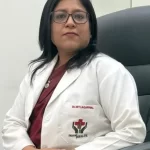
In this guide, we explain what the condition is, the 10 early signs to watch for, how doctors confirm it, and the treatment and lifestyle steps that help. The guidance reflects the approach followed at Indus Health, where Dr. Niti Agarwal, endocrinologist, sees women with PCOD and other hormonal concerns every week.
PCOD vs PCOS: Clearing Up the Confusion
If you have ever searched what is PCOD and PCOS are, you have probably found conflicting answers. Here is the simple version.
PCOD (polycystic ovarian disease) is the term widely used in India for a condition where the ovaries release immature or partly mature eggs. Over time, these collect as small fluid-filled follicles, which show up as “cysts” on an ultrasound. It is often used to describe the milder, ovary-focused end of the spectrum.
PCOS (polycystic ovary syndrome) is the formal medical name. It describes a hormonal and metabolic syndrome that involves the ovaries, insulin, and androgens (often called “male hormones”, which women also produce in small amounts). Many endocrinologists use the two terms interchangeably, because the diagnosis and treatment overlap almost completely.
So, what is PCOS Problem in everyday terms? It is a long-term hormonal imbalance in which:
- Ovulation becomes irregular or stops, so periods become unpredictable
- Androgen levels rise, causing acne, excess hair or hair thinning
- The body often responds poorly to insulin, which affects weight and blood sugar
The word “polycystic” is a little misleading. You can have PCOS without visible cysts, and many women have a polycystic-looking ovary on a scan without having the syndrome.
10 Early Symptoms of PCOD Problem in Females You Shouldn’t Ignore
No two women experience PCOD the same way. One may have perfectly regular periods but stubborn acne; another may have no skin issues at all but struggle to conceive. If you are wondering what are the first signs of PCOS, these are the ones doctors see most often.
1. Irregular or Missed Periods
This is usually the first and most common sign. Cycles longer than 35 days, fewer than eight periods a year, or months with no period at all suggest that ovulation is not happening regularly. Some women have the opposite problem: frequent spotting or very long bleeding.
2. Heavy or Painful Periods
When ovulation is skipped, the uterine lining keeps building up. When a period finally arrives, it can be unusually heavy and last longer than a week.
3. Persistent Acne
Acne on the jaw, chin, neck, chest, or upper back that continues well past adolescence is a classic androgen-related sign. It often responds poorly to creams and face washes alone.
4. Excess Facial and Body Hair (Hirsutism)
Coarse, dark hair on the upper lip, chin, chest, stomach, or inner thighs affects a large share of women with PCOS. It is driven by raised androgens, the same hormones behind acne.
5. Thinning Hair on the Scalp
While body hair increases, scalp hair can thin, especially around the crown or the parting. This pattern is different from the general hair loss caused by stress or low iron.
6. Weight Gain Around the Waist
PCOS-related weight tends to settle around the abdomen and is harder to lose. Insulin resistance plays a large role here. Note that lean women can have PCOS too, so a normal weight does not rule it out.
7. Dark, Velvety Skin Patches
Called acanthosis nigricans, these patches appear on the back of the neck, underarms, or groin. They are a visible marker of insulin resistance and are worth mentioning to your doctor.
8. Fatigue and Sugar Cravings
Feeling drained after meals, craving sweets in the afternoon, or getting “hangry” between meals can all point to unstable blood sugar linked to insulin resistance.
9. Mood Swings, Anxiety or Low Mood
Women with PCOS have higher rates of anxiety and depression. Hormonal shifts, poor sleep, and the stress of visible symptoms all contribute. Sleep problems, including sleep apnoea, are also more common.
10. Difficulty Getting Pregnant
Because ovulation is irregular, PCOS is one of the most common causes of female infertility. The encouraging news is that most women with PCOS can conceive with the right treatment.
Many of these signs overlap with other conditions, such as thyroid disorders or high prolactin. That is why it helps to read up on broader hormone imbalance symptoms and get tested rather than self-diagnose.
Quick Reference: PCOD Symptoms, Causes and When to Act
Use this table to match what you are noticing with the likely hormonal cause and the right next step.
| Symptom | What you may notice | Main hormonal driver | When to see a doctor |
|---|---|---|---|
| Irregular periods | Cycles over 35 days or fewer than 8 periods a year | Missed ovulation | After 3 months of irregular cycles |
| Heavy bleeding | Periods lasting over 7 days or soaking a pad hourly | Thickened uterine lining | Promptly, especially with dizziness |
| Acne | Jawline, chin and back breakouts after age 20 | High androgens | If creams fail after 2–3 months |
| Excess hair | Dark hair on chin, lip, chest or abdomen | High androgens | When it appears or increases quickly |
| Scalp hair thinning | Wider parting, thinning at the crown | High androgens | When thinning is noticeable |
| Belly weight gain | Weight that resists diet and exercise | Insulin resistance | With other signs on this list |
| Dark skin patches | Velvety skin on neck, underarms | Insulin resistance | Soon; ask for a sugar test |
| Fatigue, cravings | Energy crashes after meals | Unstable blood sugar | If it persists for weeks |
| Mood changes | Anxiety, irritability, low mood | Hormonal shifts, poor sleep | Any time it affects daily life |
| Trouble conceiving | No pregnancy after 12 months of trying (6 if over 35) | Irregular ovulation | At that point, or earlier with irregular cycles |
Having one or two of these does not confirm PCOD. A pattern of several symptoms of PCOD problem in females, especially irregular cycles plus acne or excess hair, is a strong reason to get evaluated.
What Triggers PCOD? The Root Causes Behind the Imbalance
There is no single cause. Research points to a mix of genes, metabolism, and lifestyle working together:
- Insulin resistance: When cells do not respond well to insulin, the body makes more of it. High insulin pushes the ovaries to produce more androgens, which disrupts ovulation.
- Raised androgens: Women naturally make small amounts of testosterone. In PCOS, levels run higher than normal. (Testosterone problems work very differently in men, where low testosterone levels are the usual concern.)
- Family history: If your mother or sister has PCOS or type 2 diabetes, your risk is higher.
- Low-grade inflammation: Women with PCOS often show markers of chronic inflammation, which can worsen insulin resistance.
- Lifestyle factors: Long sitting hours, processed food, poor sleep, and ongoing stress do not cause PCOS on their own, but they can bring out or worsen symptoms in women who are prone to it.
Left unmanaged, PCOS raises the long-term risk of type 2 diabetes, high cholesterol, fatty liver, high blood pressure and endometrial problems. That is why early attention matters more than many women realise.
How Doctors Confirm PCOD: Tests You Can Expect
There is no single blood test for PCOS. Most doctors use the Rotterdam criteria, which confirm the diagnosis when at least two of these three are present, after other causes are ruled out:
- Irregular or absent ovulation (shown by irregular periods)
- Signs of high androgens, either on blood tests or as acne, excess hair, or scalp thinning
- Polycystic ovaries on an ultrasound
To get there, your doctor may recommend:
- Hormone tests: testosterone, LH, FSH, prolactin, and AMH
- Thyroid profile: to rule out thyroid disease, which can mimic PCOS
- Sugar and insulin tests: fasting glucose, HbA1c, and sometimes a glucose tolerance test
- Lipid profile: to check cholesterol and triglycerides
- Pelvic ultrasound: to look at ovary size and follicle count
At Indus Health, Dr. Niti Agarwal starts with a detailed conversation about your cycle history, skin and hair changes, weight pattern, sleep, and family history. Many symptoms of PCOD problem in females only make sense when they are seen together, and that history often guides which tests are actually needed.
How to Cure PCOD: What Treatment Can Realistically Achieve
Let’s be honest about one thing first. Many women search for how to cure PCOD, but there is no permanent cure yet. What exists is very effective management. With the right plan, most women get regular cycles, clearer skin, healthier weight and a good chance of pregnancy. Symptoms can stay quiet for years.
Treatment is tailored to your main concern:
- Lifestyle changes (first line for everyone): Losing even 5–10% of body weight, if you are overweight, can restore ovulation and improve insulin sensitivity.
- Cycle regulation: Hormonal pills or cyclical progesterone help regulate periods and protect the uterine lining.
- Insulin-sensitising medicines: Metformin is often prescribed for women with insulin resistance or prediabetes.
- Anti-androgen treatment: Specific medicines can reduce acne and unwanted hair over several months, alongside laser or other cosmetic options.
- Fertility support: Ovulation-inducing medicines such as letrozole are commonly used when you are trying to conceive.
- Emotional health: Counselling and stress management are part of good care, not an add-on.
Never start hormonal tablets or supplements based on a friend’s advice or an online video. The right medicine depends on your test results, your age, and whether you are planning a pregnancy. A structured hormonal imbalance treatment in East Delhi plan, with follow-up tests every few months, is far more effective than trial and error.
A Simple PCOS Diet Plan That Fits an Indian Kitchen
You don’t need imported superfoods or a crash diet. A sensible PCOS diet plan focuses on keeping blood sugar steady, because that directly lowers insulin and, in turn, androgen levels.
Foods to include:
- Whole grains such as millets (bajra, jowar, ragi), oats, brown rice, and whole wheat in moderate portions
- Protein at every meal: dal, chana, rajma, paneer, curd, eggs, fish or chicken
- Plenty of vegetables, especially leafy greens, lauki, tori, beans and broccoli
- Healthy fats from nuts, seeds (flax, pumpkin), and small amounts of ghee or mustard oil
- Whole fruits like guava, apple, pear, orange, and berries, rather than juices
Foods to limit:
- Maida, white bread, biscuits and bakery items
- Sugary drinks, packaged juices and sweets
- Deep-fried snacks and processed foods
- Large portions of white rice or potatoes eaten on their own
A sample day:
| Meal | Example |
|---|---|
| Early morning | Warm water and a handful of soaked almonds |
| Breakfast | Vegetable besan chilla or moong dal chilla with curd |
| Mid-morning | One guava or apple |
| Lunch | 2 millet or whole-wheat rotis, dal, sabzi, salad |
| Evening | Roasted chana or sprouts chaat with green tea |
| Dinner | Grilled paneer or fish with sautéed vegetables, light and early |
Pair the diet with at least 150 minutes of activity a week. Brisk walking, strength training and yoga all help. Aim for 7–8 hours of sleep, since poor sleep worsens insulin resistance. If you have diabetes, thyroid disease or are trying to conceive, ask your doctor to personalise portions.
When Should You See a PCOS Specialist in East Delhi?
Book a consultation if you notice any of the following:
- Your periods have been irregular for three months or more
- You have acne, excess hair, or scalp thinning along with cycle changes
- You have dark skin patches or a family history of diabetes
- You have been trying to conceive for a year (or six months if you are over 35)
- You have very heavy bleeding, or no period for over three months
Why see an endocrinologist? PCOS is at its core a hormonal and metabolic condition. An endocrinologist looks beyond the ovaries at insulin, thyroid, adrenal hormones, and long-term heart and diabetes risk, and coordinates with your gynaecologist when needed.
If you are looking for an experienced PCOS specialist in East Delhi, Dr. Niti Agarwal at Indus Health, Anand Vihar, offers detailed evaluation and personalised treatment plans for PCOD, thyroid disorders, diabetes, and other hormonal conditions. Her approach combines lab-based diagnosis with practical diet and lifestyle guidance that fits real routines.
Frequently Asked Questions
1. What are the most common symptoms of PCOD Problem in females?
Irregular or missed periods, acne, excess facial or body hair, scalp hair thinning, weight gain around the waist and difficulty getting pregnant are the most common. Many women have only two or three of these.
2. Can PCOD be cured permanently?
There is no permanent cure yet, but PCOD can be managed very well. With weight management, a balanced diet, exercise and the right medicines, most women see regular cycles and fewer symptoms.
3. Can I get pregnant if I have PCOS?
Yes. Most women with PCOS conceive, sometimes naturally after lifestyle changes and sometimes with ovulation-inducing medicines. Early evaluation improves the chances.
4. Does PCOS only affect overweight women?
No. “Lean PCOS” is well recognised. Women with a normal weight can still have irregular cycles, high androgens and insulin resistance.
5. At what age do PCOS symptoms start?
Signs often appear in the late teens or early twenties, around the first few years after periods begin. Some women notice them only later, after weight gain or when trying to conceive.
6. Which doctor should I consult for PCOD?
An endocrinologist manages the hormonal and metabolic side, while a gynaecologist handles reproductive concerns. Many women benefit from both. At Indus Health, Dr. Niti Agarwal provides endocrine care for PCOD in East Delhi.
7. Is a special diet necessary for PCOS?
You don’t need an extreme diet. Regular meals built around whole grains, protein, vegetables and healthy fats, with limited sugar and refined flour, work well for most women.
Take the First Step Toward Hormonal Balance
PCOD is common, but it is not something you have to simply live with. Recognising the early symptoms of PCOD problem in females, such as irregular cycles, stubborn acne, unwanted hair, and hard-to-lose belly weight, gives you the chance to act before long-term complications develop.
Small, steady changes in food, movement, and sleep, combined with the right medical guidance, can transform how you feel. If these signs sound familiar, book a consultation with Dr. Niti Agarwal at Indus Health, Anand Vihar, East Delhi, for a thorough evaluation and a treatment plan built around you.