As people grow older, maintaining a healthy weight plays a vital role in improving overall health and quality of life. Many senior citizens face age-related health challenges that require careful and personalized attention. Supporting elderly individuals in managing their weight involves a thoughtful approach that considers their physical, nutritional, and medical needs.
Weight management for older adults is different from that of younger individuals. Natural changes such as a slower metabolism, loss of muscle mass, and existing health conditions can make weight control more complex. Seeking guidance from a qualified healthcare professional helps in developing personalized care plans that align with an individual’s medical history and current health status. This ensures safe, effective, and age-appropriate weight management strategies.
Table of Contents
ToggleUnderstanding the Unique Challenges of Senior Weight Management
As people age, their bodies go through changes that make managing weight more difficult. After turning 30, metabolism decreases by about 2 to 3 percent every ten years. This slower metabolism makes weight gain more likely and losing weight tougher. Older adults also tend to lose muscle, have weaker bones, and face shifts in hormone levels, which can make maintaining a healthy weight even more challenging.
Health issues among elderly people in Delhi NCR play a big role in shaping weight management plans. Recent data shows that 27.5% of seniors have diabetes, 45.3% live with high blood pressure, and 32.1% experience arthritis. These health problems make it important to design weight management methods , since regular diet and workout routines may not always be safe or ideal.
A Weight Management Specialist in Delhi NCR can offer tailored plans that work well while addressing these health challenges. They know how factors like medicines, long-term illnesses, and aging affect both weight loss and metabolism helping seniors manage their weight .
The Importance of Specialized Endocrine Care for Seniors
Hormonal changes are key to managing weight in older people. To manage metabolic health in elderly patients, it is important to find the best endocrinologist in Delhi NCR. These specialists focus on spotting and treating hormonal imbalances that make weight gain or weight loss harder.
Top endocrinologists in Delhi NCR handle hormone-related problems in seniors such as thyroid issues, insulin troubles, and shifts in growth hormone levels. They team up with other health experts to design comprehensive treatment plans. These plans deal with both managing weight and improving overall health.
Endocrinologists help a lot in handling weight problems linked to diabetes, which trouble over a quarter of the elderly in Delhi NCR. They have a strong understanding of insulin and blood sugar, which plays an important role in ensuring weight is managed and in seniors with diabetes.
Nutritional Guidelines for Healthy Weight Management
To manage weight well in old age, you need to focus on different factors. Paying attention to the quality of food matters more than just eating less. Older people should eat fewer calories but more nutritious foods. Every meal should support their health and help in controlling weight.
The typical North Indian diet followed in Delhi NCR holds cultural value but tends to be high in carbs, which might not work well for managing weight in older adults. A Weight Loss Doctor can design specific workout and diet plans suited to age blending health goals with cultural eating habits.
Some key dietary tips include eating more protein to maintain muscles adding calcium-rich foods to strengthen bones, and getting enough fiber to improve digestion. Watching portion sizes becomes crucial because older people often feel less hungry and may take longer to notice they’re full.
Staying hydrated is important. As people age, their bodies hold less water and their sense of thirst decreases. Drinking enough water helps with metabolism and might stop overeating, as thirst is sometimes mistaken as hunger among the elderly.
Understanding Obesity Treatment Options for Seniors
Experts now focus on safe and lasting ways to manage obesity among older adults, with an emphasis on slow and steady weight loss over quick fixes. Treatment plans for seniors take into account their specific needs such as difficulty handling strict diets or rigorous workouts.
Most older adults stick with non-surgical methods as the main way to treat obesity. These include diet plans managed by medical professionals, support through behavioral counseling, and supervised exercise routines. Meeting with a Weight Loss Doctor allows patients to track their progress in a safe way and make changes to the plan when necessary.
To help old patients with serious obesity and related health risks, doctors might suggest using certain medicines while monitoring the patient. They make these choices after weighing the possible advantages and dangers keeping the patient’s general health and life span in mind.
Safe Physical Activity Recommendations
Exercise stays important to help older people manage their weight, but it needs to match their health and physical limits. Weight management programs in places like Delhi NCR often focus on gentle exercises. These aim to boost strength, balance, and heart health without causing harm.
Walking is one of the simplest and most helpful exercises for seniors. Walking for just 20 to 30 minutes can make a big difference in staying healthy and keeping weight in check. If someone has trouble moving, chair workouts or activities in water can work just as well.
supervised strength training helps maintain muscle mass and bone strength. It also has a role in supporting metabolism. Programs like these should be designed to prevent injuries and suit current joint issues or long-term health conditions.
Weekly Weight Management Plan for Elderly
| Day | Meal Planning | Physical Activity | Health Monitoring |
| Monday | High-protein breakfast, balanced lunch, light dinner | 20-minute walk, light stretching | Weight check, blood pressure |
| Tuesday | Calcium-rich foods focus | Chair exercises, balance training | Medication review |
| Wednesday | Fiber-rich meals | Swimming or water aerobics | Blood sugar monitoring |
| Thursday | Heart-healthy fats emphasis | Yoga or tai chi | Hydration tracking |
| Friday | Portion control practice | Strength training (supervised) | Weekly progress review |
| Saturday | Social meal planning | Group activities or dancing | Mental health check |
| Sunday | Meal prep for upcoming week | Rest day with gentle stretching | Family consultation |
Case Study: Successful Weight Management Journey
Mrs. Lata, a 68-year-old woman living in Gurgaon, visited Indus Hospital because she was worried about gaining weight after her retirement. She was diagnosed with pre-diabetes and suffered from knee pain, which made it hard for her to move around. Her family noticed she was becoming less active and needed more help with everyday chores, which concerned them.
The doctors at the hospital helped Mrs.Lata start a structured weight management plan. This plan included small but steady changes to her diet while respecting her vegetarian lifestyle and cultural food preferences. Instead of cutting out her favorite foods, the plan focused on controlling portions and planning meal times .
The plan for physical activity began with 10 minutes of walking every day and added more time as she built her stamina. She also started doing chair exercises to make her legs stronger and work on her balance. Yoga sessions were included to help her become more flexible and feel relaxed .
In six months, Mrs.Lata lost 12 kilograms in a healthy and steady way. Her pre-diabetes levels improved a lot, and her knee pain got better. She felt more confident doing her daily tasks again. Her family noticed that she was in a better mood and spent more time with others. This showed that managing weight doesn’t just help the body but also improves life overall.
Mrs.Lata found success by using a plan that focused on her specific needs. It took into account her health issues, cultural habits, and the help she had from her family. Making small changes over time helped her stick with the plan, and regular check-ins kept things safe the whole way through.
Common Questions
Q: Can older people lose weight without risks?
A: Losing weight fast isn’t usually safe for older adults. To lose weight , seniors should aim for small reductions—around 1 to 2 pounds a week at most. Dropping weight too fast might cause problems like muscle loss and not getting enough nutrients. It’s best to talk to a doctor or health expert before starting any diet plan.
Q: How do medications influence weight management in elderly people?
A: Medications often given to older adults can have an impact on weight leading to either weight gain or weight loss. Drugs for diabetes, depression, or high blood pressure sometimes change how hungry someone feels or affect their metabolism. Talk to your doctor about how your prescriptions might be affecting your weight, and make changes to your plan if needed.
Q: How important is family support in managing weight for older adults?
A: Family support plays a big part in helping elderly people manage their weight. Relatives can assist with planning nutritious meals, motivate them to stay active, offer emotional help, and help manage doctor’s visits. A positive and encouraging home atmosphere can make long-term weight management much easier.
Q: Should elderly people follow strict diets to lose weight?
A: Older adults should not follow extreme diets that may cause a lack of essential nutrients. Instead, they need to focus on eating smaller portions, choosing more nutritious foods, and keeping enough protein in their meals to maintain their muscles. It is important to respect personal and cultural food choices while making healthier adjustments.
Q: How often do older adults need to see their doctor while managing their weight?
A: Safe weight management for older people needs regular visits to healthcare professionals. Early on, they might see a doctor every week or two, but this can change depending on their health and progress. At the very least, they should go to monthly check-ups to keep track of vital signs, review medications, and make changes to their health plan if needed.
Finding the Right Weight Loss Doctor for Your Elderly Loved One
It is important to choose the right medical care to help older adults manage weight . A skilled weight loss specialist can provide tailored exercise and diet plans while keeping an eye out for possible health issues. Search for doctors who have experience with both weight management and care for older adults.
The ideal medical team should include not just a primary care physician, but also specialists who understand the complex needs of elderly patients. This might include endocrinologists for hormonal issues, cardiologists for heart health monitoring, and nutritionists familiar with age-specific dietary needs.
When choosing healthcare providers, consider their approach to elderly care, communication style, and willingness to involve family members in treatment planning. The best medical professionals will take time to understand individual circumstances and create realistic, sustainable plans.
Conclusion
Effective weight management for elderly loved ones requires patience, understanding, and professional guidance. The unique challenges faced by seniors in Delhi NCR, from cultural dietary patterns to prevalent health conditions, demand specialized approaches that prioritize safety and sustainability over rapid results.
Success in elderly weight management comes from addressing the whole person, not just the number on the scale. This includes considering physical health, mental well-being, social connections, and quality of life. With proper medical supervision, family support, and realistic expectations, elderly individuals can achieve and maintain healthy weights that support their independence and vitality.
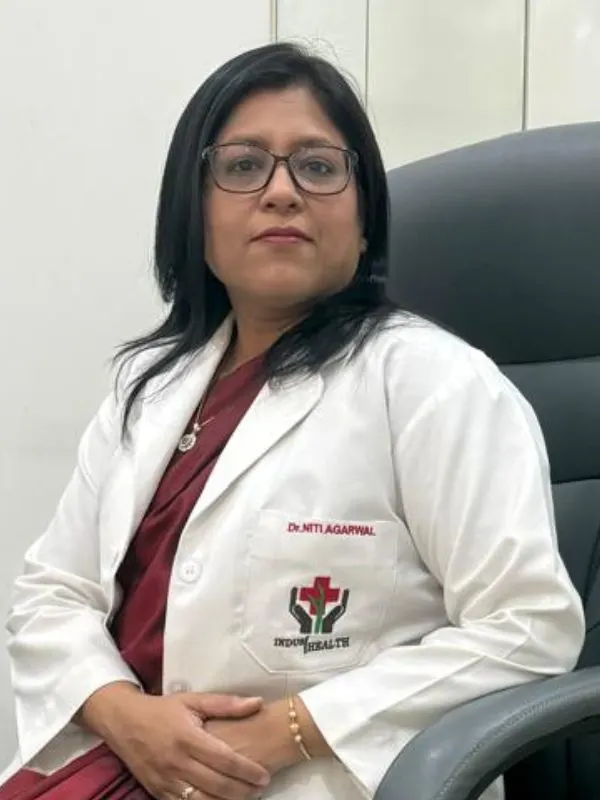
For families seeking expert guidance, consulting with experienced healthcare providers like Dr. Niti Agarwal, who understands the specific needs of elderly patients, is an important first step toward successful weight management. Every small improvement in health and mobility can make a meaningful difference in an elderly person’s quality of life and independence.
The journey toward better health in later years is not just about losing weight—it’s about gaining years of active, fulfilling life with loved ones.