

A baby’s cough can be worrying for any parent—especially when it’s your newborn. While coughing is often a natural reflex that helps clear the airways, there are times when it may signal something more serious.
In this guide, we’ll help you understand Baby cough when to worry, the common causes behind cough in a newborn, and the warning signs you should never ignore.
Understanding Newborn Cough: Types and Causes
Newborns can cough in different ways, and these variations often reveal what might be wrong. Parents can spot the signs to know if a baby’s cough needs attention or if it’s time to consult a doctor
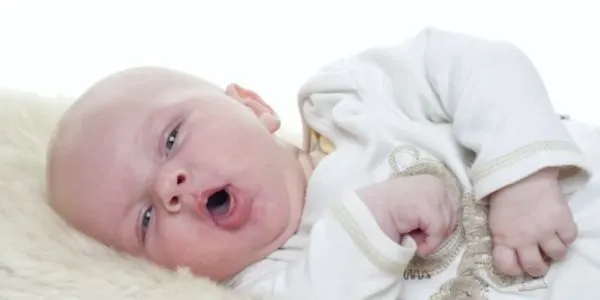
What Causes Cough in a Newborn?
A newborn cough can happen for several reasons, most of which are mild and temporary. Common causes include:
1. Cold or Viral Infections
Newborns can easily catch viral infections, leading to a cough in new born baby, runny nose, and mild fever.
2. Dry Air
Dry indoor air can irritate your baby’s throat and trigger a new born baby cough, especially during winter.
3. Milk Going Down the Wrong Way
Sometimes babies cough while feeding due to slight choking or swallowing difficulty.
4. Allergies or Irritants
Dust, smoke, or strong smells can irritate your baby’s sensitive airways.
Baby Cough: When to Worry
Not every cough is dangerous—but here’s when Baby cough when to worry becomes important:
Red Flags You Should Not Ignore
- Persistent cough lasting more than 5–7 days
- Difficulty breathing or fast breathing
- Wheezing or unusual chest sounds
- Bluish lips or skin
- High fever (especially in newborns)
- Poor feeding or refusal to eat
- Lethargy or excessive sleepiness
- Vomiting after coughing
If you notice any of these signs along with a newborn cough, seek medical attention immediately.
Types of Cough in Newborns
Understanding the type of cough helps identify the cause:
Dry Cough
Often due to irritation, allergies, or early viral infection.
Wet or Chesty Cough
Indicates mucus buildup, possibly from infection.
Whooping Cough
A severe infection marked by a “whoop” sound—requires urgent care.

How to Manage Cough in a Newborn at Home
For mild cases of cough in a newborn, you can try these safe remedies:
✔ Keep Your Baby Hydrated
Frequent breastfeeding helps soothe the throat and boost immunity.
✔ Use a Humidifier
Moist air can ease breathing and reduce coughing.
✔ Gentle Positioning
Keep your baby slightly elevated while resting (under supervision).
✔ Clear Nasal Passages
Use saline drops if recommended by a doctor.
What You Should Avoid
- Do NOT give over-the-counter cough medicines
- Avoid honey (unsafe for babies under 1 year)
- Do not expose your baby to smoke or pollution
When to See a Doctor
Even if symptoms seem mild, consult a doctor if:
- Your baby is under 3 months and has a cough
- The new born baby cough worsens over time
- There is any breathing discomfort
- Feeding patterns change significantly
Tips to Prevent Newborn Cough
- Maintain proper hygiene at home
- Wash hands before handling the baby
- Avoid crowded or polluted environments
- Keep your baby away from sick individuals
Final Thoughts
A cough in new born baby is common, but knowing Baby cough when to worry can make all the difference. Trust your instincts—if something feels off, it’s always better to seek medical advice.
Early care ensures your baby stays safe, comfortable, and healthy.
Data Table: Baby Cough Warning Signs Quick Reference
| Symptom Category | Normal Cough | Concerning Signs | Emergency Symptoms |
| Duration | 1-2 weeks | 2-3 weeks | Sudden severe onset |
| Breathing | Normal rate | Slightly elevated | Rapid, labored breathing |
| Color Changes | Normal skin tone | Pale complexion | Blue lips/fingernails |
| Fever | Low-grade or none | Moderate (101-103°F) | High (>104°F) |
| Feeding | Normal appetite | Reduced intake | Refuses to eat/drink |
| Sleep | Mild disruption | Frequent waking | Unable to sleep |
| Behavior | Slightly fussy | More irritable | Extremely lethargic |
| Sound | Soft cough | Harsh or barking | Whooping or gasping |
Frequently Asked Questions
1. Is cough normal in newborns?
Yes, an occasional newborn cough is normal as it helps clear the airways. However, frequent or severe coughing needs attention.
2. How long does a newborn cough last?
A mild cough in a newborn usually resolves within a few days. If it lasts more than a week, consult a doctor.
3. Can I give home remedies for newborn cough?
Only safe options like breastfeeding and humidified air are recommended. Avoid medications unless prescribed.
4. When should I worry about my baby’s cough?
You should focus on Baby cough when to worry if there are symptoms like breathing issues, fever, or poor feeding.
5. What is the safest way to treat cough in a newborn?
The safest approach is supportive care and consulting a healthcare professional when needed.