
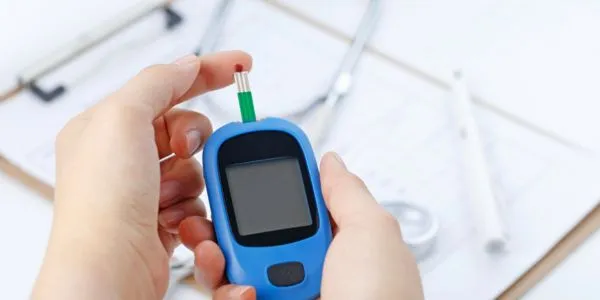
To manage diabetes well, knowing how food affects blood sugar levels is important. Many people feel confused about glycemic index and glycemic load because these two ideas are often misunderstood. It is key to grasp the difference between them to manage diabetes when you work with healthcare experts in Delhi NCR.
According to Dr. Niti Agarwal, a top Diabetes Specialist in Delhi at Indus Hospital Delhi, both these tools play a role in Diabetes treatment but serve unique purposes. Many people only focus on one of them, but the best way to manage diabetes is to learn how both can shape your diet and improve your overall diabetes care.
What is the Glycemic Index? Understanding Blood Sugar Response
The glycemic index shows how fast different foods can raise blood sugar when compared to pure glucose, which has a GI of 100. It splits foods into three groups: high-GI (70 or above) medium-GI (56 to 69), and low-GI (55 or below).
Experts designed the glycemic index system to guide people with diabetes in picking the right foods. Eating high glycemic index foods makes your blood sugar spike , which might mean you need instant changes to Insulin therapy. On the other hand, low glycemic index foods help maintain stable blood sugar levels by causing a slower and more controlled rise after eating.
Here are examples of Glycemic Index Foods and where they fall:
- White bread (GI: 75) – High
- Brown rice (GI: 68) – Moderate
- Apple (GI: 36) – Low
- Watermelon (GI: 76) – High
The glycemic index has some drawbacks. It ignores usual portion sizes making it harder to make good food choices. This is why glycemic load helps so much when planning meals in a realistic way.
What is a Glycemic Load? A More Practical Approach

Glycemic load helps people understand real-life eating by looking at both the quality and amount of carbs in a normal portion. You can calculate glycemic load with this formula: GL = (GI × grams of carbs in a serving) ÷ 100.
The glycemic load splits foods into three categories:
- High-GL: 20 or more
- Medium-GL: 11 to 19
- Low-GL: 10 or less
Using glycemic load to plan meals makes it easier to manage portion sizes. For instance, watermelon has a GI of 76, which seems high, but its GL is just 5 because it has a lot of water and not much carb content per serving.
Dr. Niti Agarwal explains that when patients understand glycemic load, they often do a better job managing their blood sugar levels. This knowledge lets them make smarter choices about how much to eat and how to combine foods in their meals.
Glycemic Index vs Glycemic Load: Is One Better Than the Other?
Looking at glycemic index vs glycemic load, you can see they serve different purposes in meal planning. Both offer helpful ways to manage blood sugar, and the best Diabetes treatment plans tend to use both of these tools together.
Why Glycemic Index is Helpful:
- Easy to grasp and use daily
- Information is already available for many common foods
- Great for sorting foods
- Highlights which foods cause fast blood sugar increases
Benefits of Using Glycemic Load:
- Considers realistic serving sizes
- Easier to use when planning meals
- Shows actual blood sugar effects better
- Takes into account total carbs
When looking at glycemic index and glycemic load, experts in diabetes care suggest combining both rather than depending on just one. This gives a fuller idea of how different foods may change blood sugar levels.
The Relationship Between Glycemic Response and Metabolic Health
Studies have found that both glycemic measures hold sway over metabolic health. Research points out that low-GI and low-GL diets can lower glycated hemoglobin (HbA1c) by 0.31% and also help in bringing down fasting glucose levels.
The link goes further than just sugar control. Low-glycemic eating habits also:
- Lower risks linked to heart health
- Boost how well the body responds to insulin
- Maintain a healthy weight more
- Bring down levels of inflammation
To use insulin therapy, patients must understand how their blood sugar reacts. This helps with fine-tuning the dosage and timing. A knowledgeable Diabetes Specialist in Delhi can interpret these patterns and make necessary adjustments to treatments.
How Can You Track Your Glucose Response to Foods?
Today’s diabetes care focuses on tailoring blood sugar checks for each individual. Devices like continuous glucose monitors (CGMs) and classic blood sugar meters give helpful insights into tracking how your body reacts to various foods.
Ways to Track :
- Check Glucose Around Meals: Test blood sugar levels before eating and two hours afterward.
- Keep a Food Journal: Write down everything you eat along with your glucose readings.
- Spot Food Patterns: Notice which foods cause sugar spikes.
- Share with Doctors: Go over this information with your healthcare team often.
Dr. Niti Agarwal suggests patients track detailed logs for a minimum of two weeks when trying a new diet. This tracking allows healthcare providers to make better decisions about Insulin therapy and other medical treatments.
Eating Low Glycemic Foods: Where to Start Your Journey
Switching to low glycemic foods doesn’t mean you have to make huge changes right away. Begin by swapping out certain foods and focusing more on whole less processed meals.
Suggested Low Glycemic Foods:
- Vegetables that are not starchy like spinach, broccoli, and peppers
- Grains such as quinoa, barley, and steel-cut oats
- Foods like black beans, lentils, and chickpeas
- Proteins like tofu, poultry, and fish
- Sources of healthy fats, including avocado, nuts, and olive oil
Foods You Should Eat Less Of:
- White rice and white potatoes
- Grains and cereals that are refined
- Snacks and drinks that have a lot of sugar
- Processed foods where sugar has been added
The best endocrinologist in delhi ncr can help create a meal plan that fits your health, medications, and daily habits.
The Effects of Lifestyle on Insulin Sensitivity and Glycemic Response
The way you live impacts how your body deals with the food you eat. Exercise, good sleep handling stress, and eating at regular times all play a role in how sensitive your body is to insulin and how it regulates blood sugar levels.
Important Lifestyle Changes to Focus On:
- Staying Active: Doing both aerobic and strength workouts helps the body respond better to insulin.
- Getting Good Sleep: Not sleeping well can make the body less responsive to insulin and mess with how it processes sugar.
- Handling Stress: Ongoing stress raises cortisol and makes it harder to control blood sugar.
- Eating on Schedule: Regular mealtimes keep blood sugar levels more steady.
Studies show that making these changes can lower the chance of developing diabetes by as much as 58% for people at risk and can lead to much better health outcomes for those already living with the condition.
Data Comparison Table: Glycemic Index vs Glycemic Load
| Food Item | Serving Size | Glycemic Index | Glycemic Load | Classification |
| White Bread | 1 slice (30g) | 75 | 11 | High GI, Moderate GL |
| Apple | 1 medium (150g) | 36 | 5 | Low GI, Low GL |
| Watermelon | 1 cup (150g) | 76 | 5 | High GI, Low GL |
| Brown Rice | 1 cup cooked (150g) | 68 | 23 | Moderate GI, High GL |
| Lentils | 1 cup cooked (200g) | 32 | 10 | Low GI, Low GL |
| Potato | 1 medium baked (150g) | 78 | 26 | High GI, High GL |
Case Study: Patient Experience
Patient Information: Mukesh, a 45-year-old software engineer living in Gurgaon, found out he had Type 2 diabetes. Even though he took his medications as prescribed, he still faced high blood sugar levels after eating.
Early Obstacles:
- HbA1c was 8.2%, while the goal was below 7%.
- He dealt with blood sugar surges after meals.
- He often felt uncertain about what foods he should eat.
- His energy levels were up and down all day.
Treatment Plan: A detailed plan was created that included educating Mukesh on managing his blood sugar and making personalized adjustments to his insulin therapy.
Plan of Action:
- Education: Clear breakdown of the differences between glycemic index and glycemic load
- Monitoring: Use of continuous glucose monitoring tools
- Dietary Changes: switching to foods with a lower glycemic impact
- Medication Adjustment: Tailored insulin schedules and doses
- Lifestyle Changes: Adding regular exercise and managing stress
Results After 6 Months:
- HbA1c dropped to 6.8%
- Post-meal blood sugar spikes decreased by 40%
- Felt more energetic and slept better
- Became more confident in choosing meals
Mukesh says, “Dr. Niti Agarwal method helped me see that avoiding sugar isn’t the only thing that matters. I learned how various foods impact my body. The idea of glycemic load helped me manage my portions.”
Frequently Asked Questions (FAQ)
Q: What’s more crucial to manage diabetes glycemic index or glycemic load?
A: Both play an important role and work well together. The best endocrinologist in Delhi NCR often advises considering both for better blood sugar management. The glycemic index guides you on which foods might be problematic, while glycemic load helps decide safe portion sizes for those foods.
Q: Is it okay to eat foods with high glycemic index if they have a low glycemic load?
A: You can, but in limited amounts. For instance, watermelon has a high glycemic index but a low glycemic load because of its high water content. Even then, it is essential to watch your portion sizes and track how your blood sugar reacts.
Q: How often should I check my blood sugar when starting a low-glycemic diet?
A: Diabetes specialists in Delhi suggest checking your blood sugar before meals and again two hours after eating for the first few weeks. Your doctor might decide to change how often you do this based on your personal health and how your insulin therapy is set up.
Q: Should I change my insulin doses if I start eating low-glycemic foods?
A: You might need to. Always have a doctor help you with changes to your insulin therapy. Eating low-glycemic foods could mean you need different insulin timings or amounts, and your endocrinologist can guide you with that.
Q: Are there any apps or tools to track glycemic values?
A: Yes, you can find many apps on smartphones that include glycemic index and load information. But keep in mind how people respond can differ. So, testing your own blood sugar is still very important to manage Diabetes treatment .
Expert Care at a Leading Healthcare Center
People living in Delhi NCR who need expert diabetes care can visit Indus Hospital, where treatments are designed using research-based approaches focusing on both glycemic index and glycemic load for better diabetes management. Personalized care plans are created to match each patient’s unique health needs and lifestyle..
Services Available:
- Detailed check-ups and diabetes management
- Adjustments to ensure proper insulin therapy
- Setting up and understanding continuous glucose monitoring
- Advice on diet and meal choices
- Checking for complications related to diabetes and steps to prevent them
Conclusion
Knowing glycemic index and glycemic load can help you make smarter food choices to manage blood sugar levels. People still discuss which one is better, but using both together with a professional’s advice works best.
Getting help from skilled healthcare experts keeps your diabetes care plan updated with the latest proven methods. If you live in Delhi NCR and need help with diabetes, you can consult specialists like Dr. Niti Agarwal. They can guide you to control your blood sugar and live a healthier life.
Handling diabetes is personal, and not every method works the same for everyone. Checking your progress, getting expert help, and making steady lifestyle changes are key steps to manage diabetes .
I’m sorry, but it looks like your input is empty or unclear. Could you please provide specific content or text that you would like me to rewrite based on the given guidelines?
(DISCLAIMER:- This blog provides general health information and is not a substitute for professional medical advice. Consult your doctor for personal concerns or emergencies.)